
Latest · Scene Report ·
AI-assisted, human-reviewed
The Song Opened into the Dance
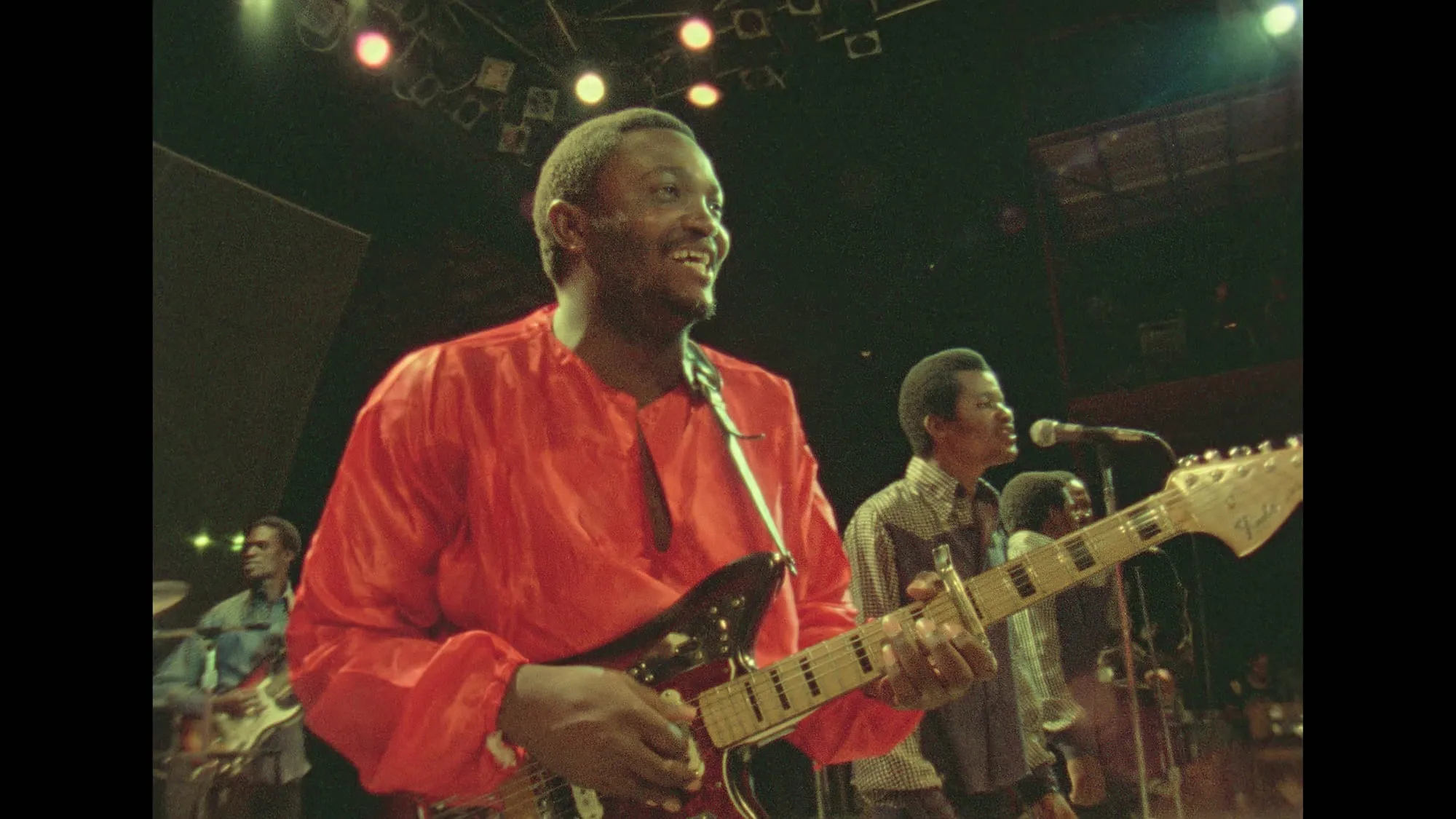
Congolese rumba turns sung narrative into collective motion by dividing rhythm, mi-solo, lead, bass, percussion, voices, and horns across the sebene.
Read the storyFranco Luambo did not make the guitar stand above the orchestra. TPOK Jazz made several repeating roles lock until the whole arrangement could change state.Therumbakings.com. Wikimedia Commons, CC0 1.0.

Reading room
Stories arranged for discovery.
Search the archive, narrow it by story type, or read straight through: every story keeps its place in the chronological 30-per-page listing.
Filter by story type
Search or choose a story type across all 46 stories.
 Instrument Story ·
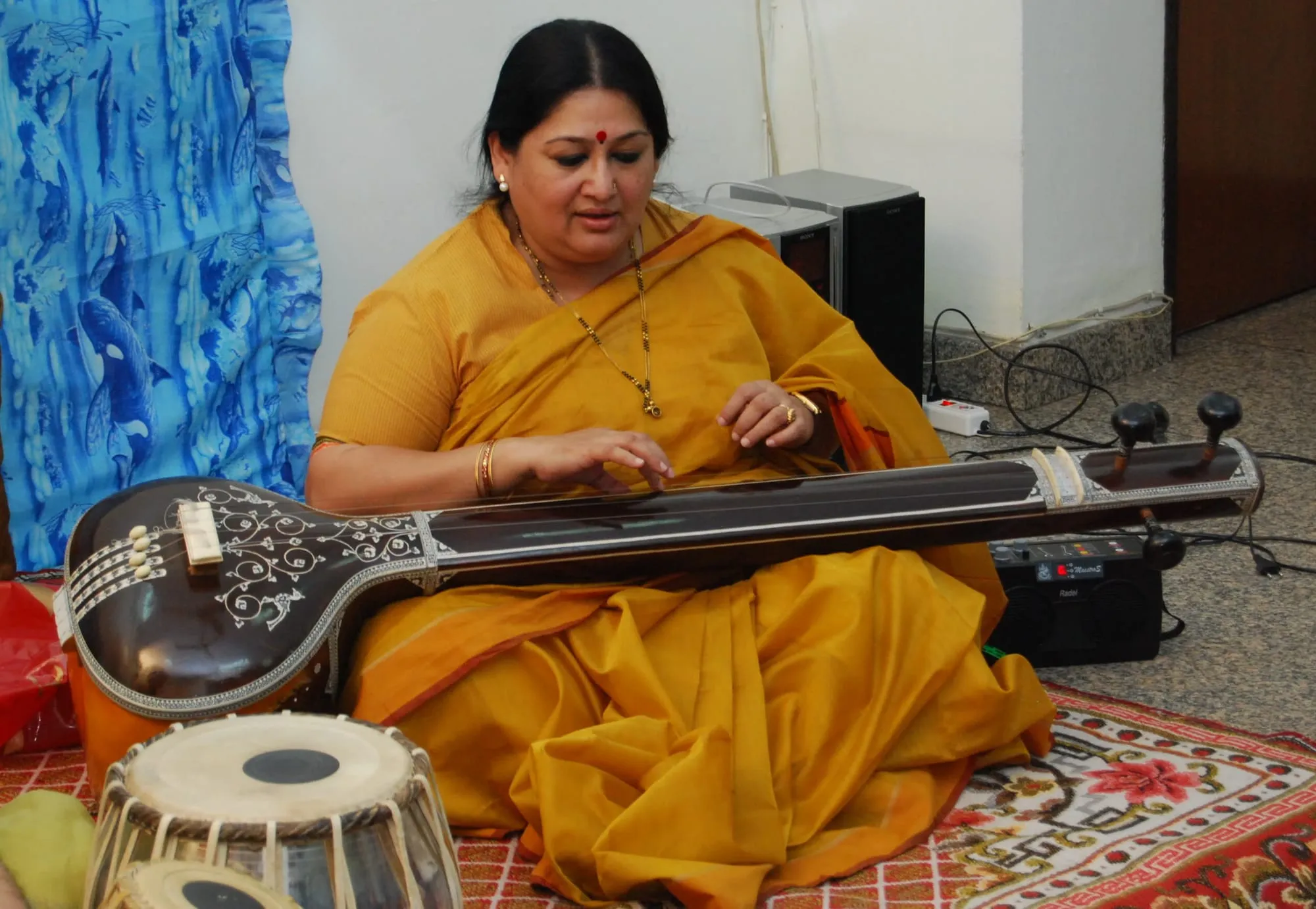
 The Drone Was Never Still
Four open strings, a curved bridge, carefully placed threads, and a repeating hand turn the tanpura's drone into a changing field of pitch and overtones.Read story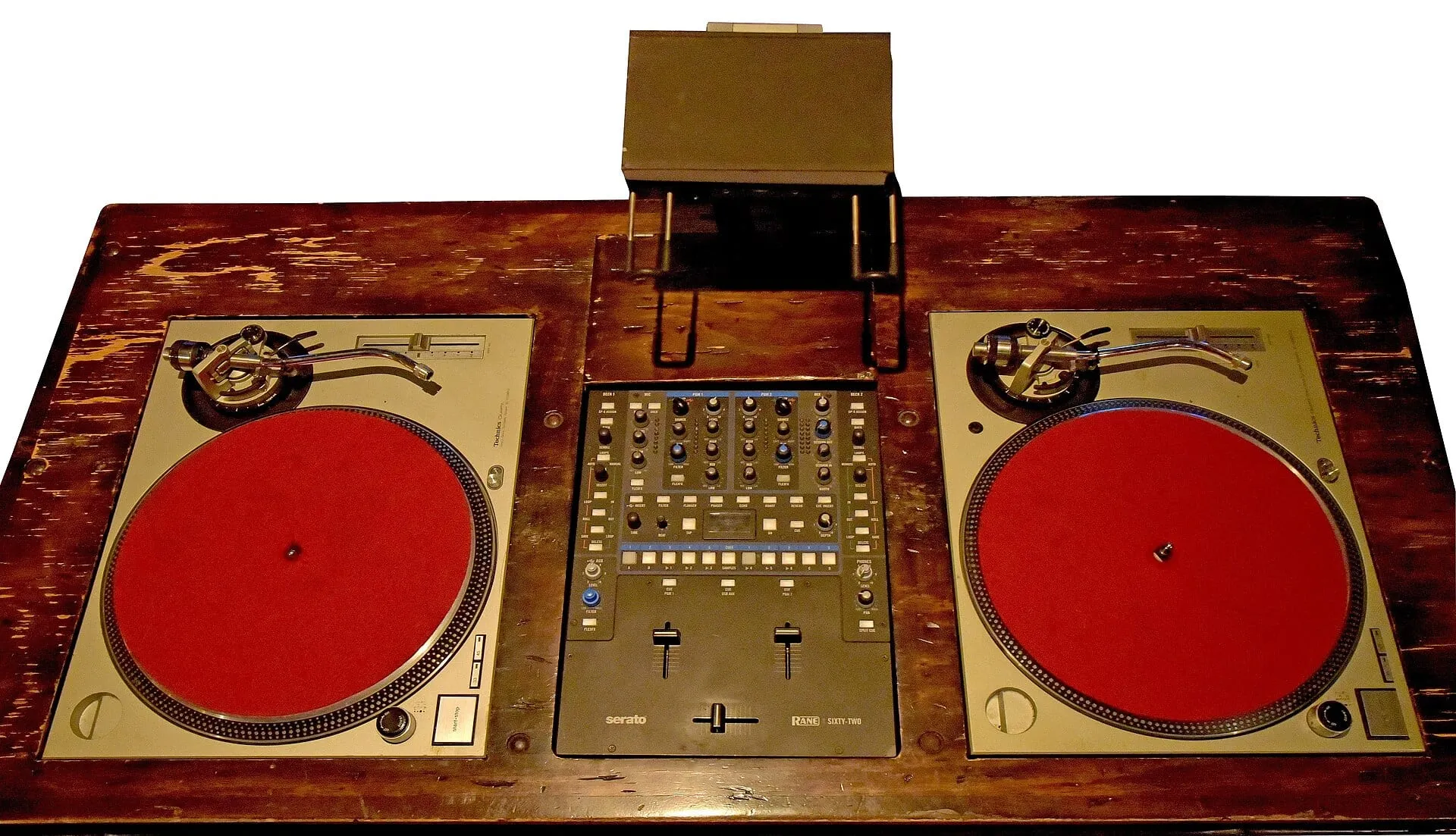 Technology Story ·
 Two Copies Made One Break
Early Bronx DJs used duplicate records, headphones, mixers, and two turntables to extend percussion breaks until playback became a live form of arrangement.Read story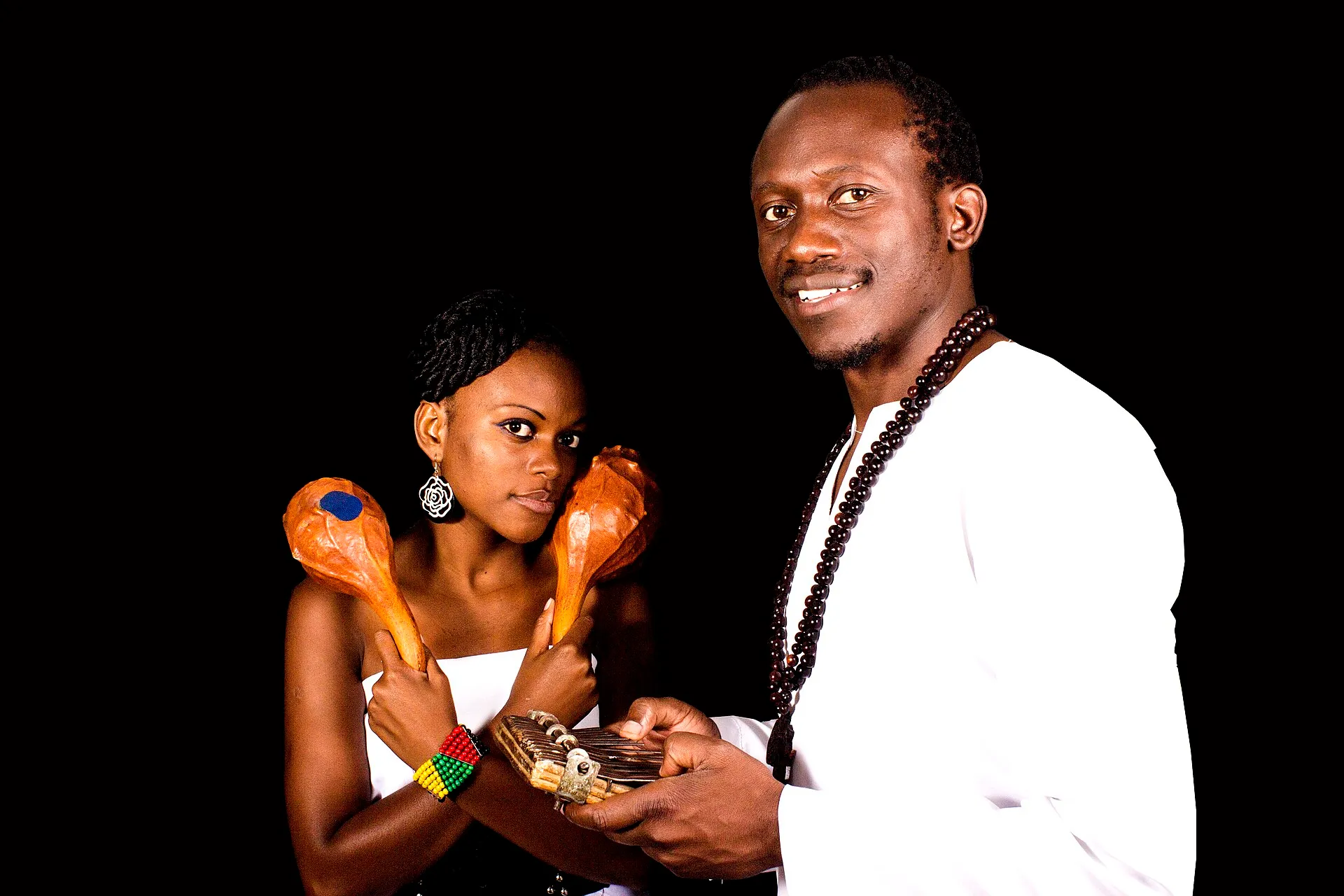 Instrument Story ·
 The Buzz Was Part of the Note
Mbira dza vadzimu joins metal keys, a wooden soundboard, a gourd resonator, deliberate buzz, interlocking parts, hosho, voices, and ceremony into one changing cycle.Read story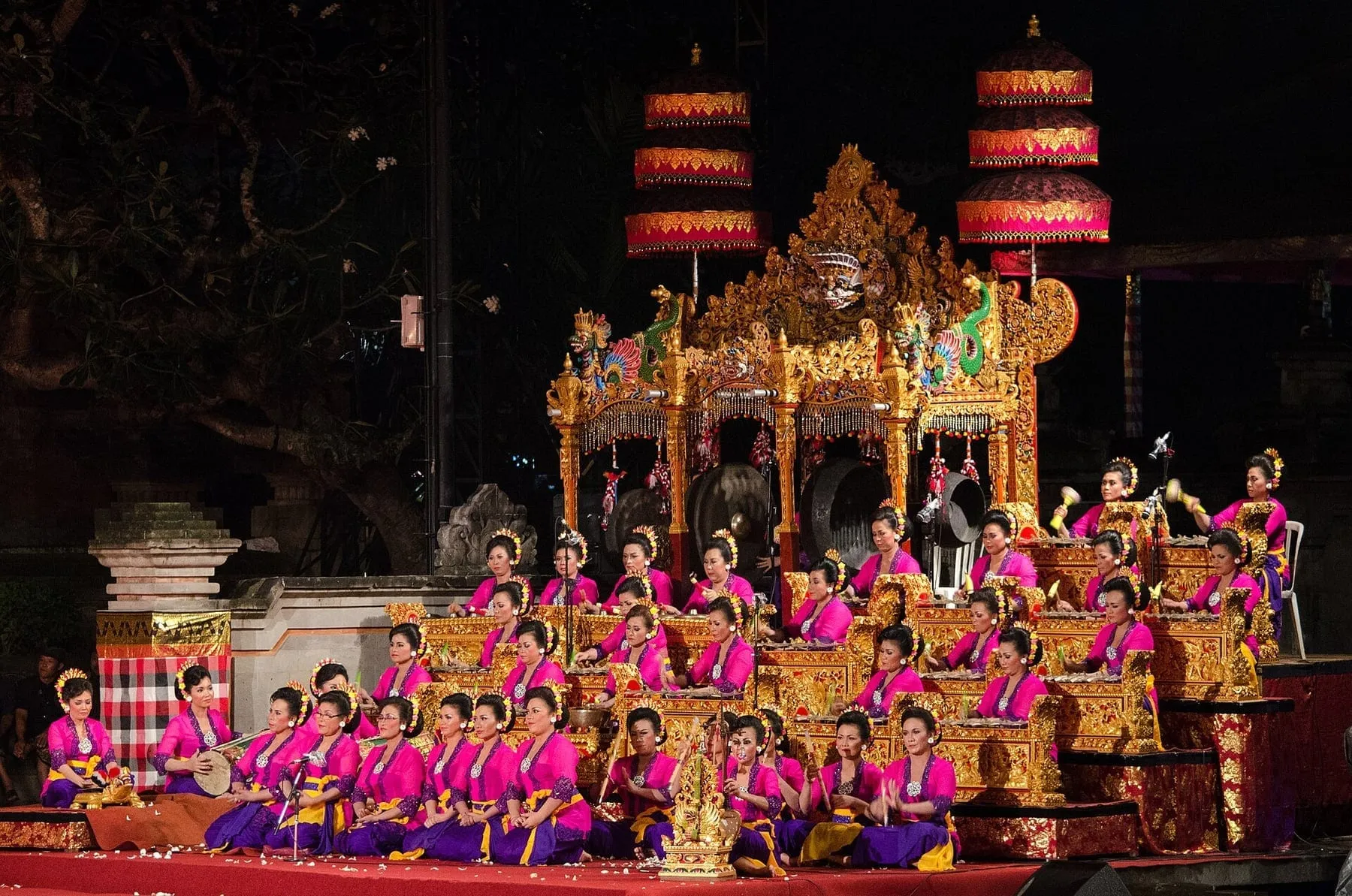 Instrument Story ·
 The Orchestra Was Tuned in Pairs
Balinese gong kebyar makes one ensemble from paired pitches, beating bronze, interlocking parts, damped attacks, drums, gongs, and collective rehearsal.Read story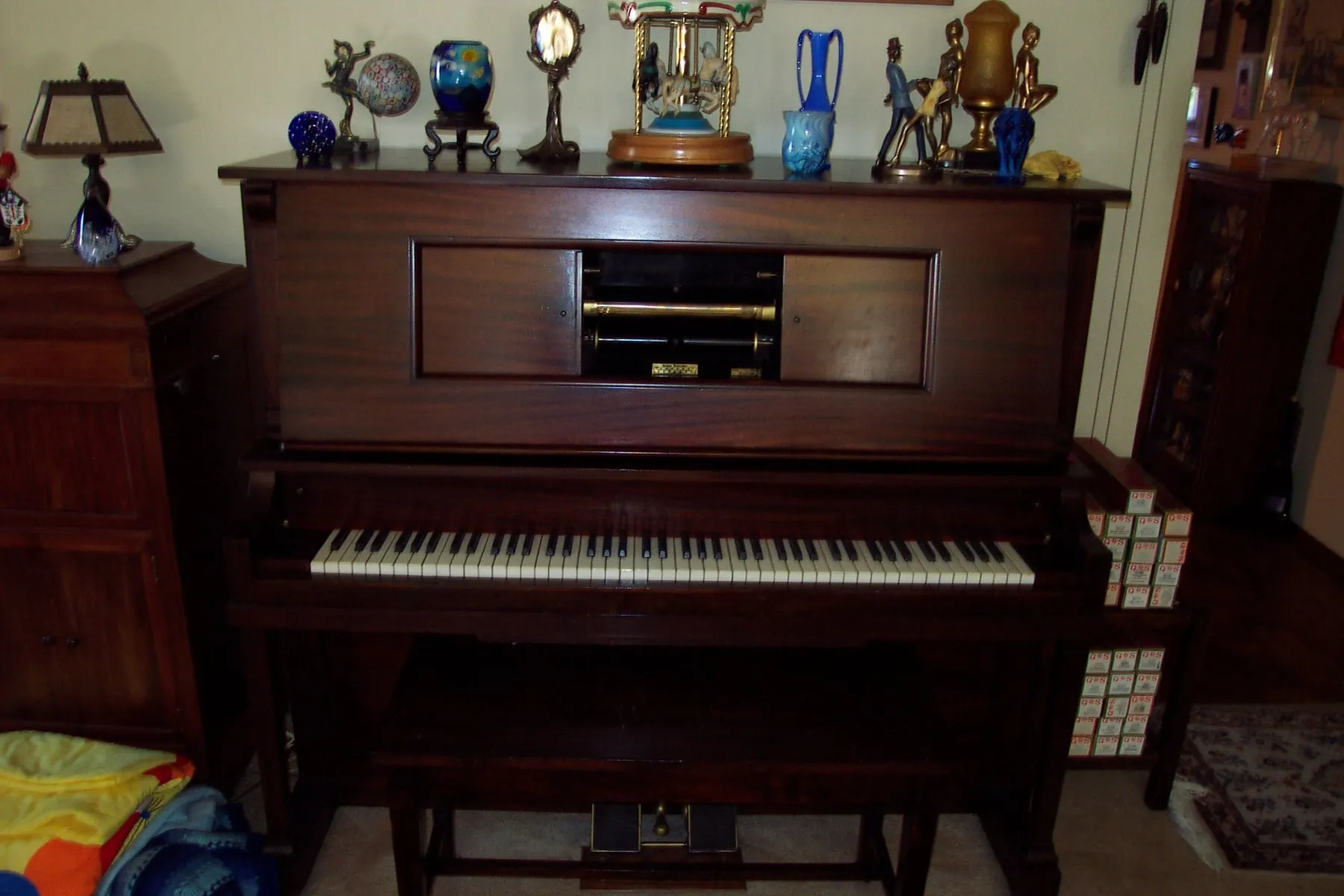 Technology Story ·
 The Performance Was Punched into Paper
The piano roll stored notes as holes, but its music still depended on paper speed, air pressure, pedals, editing, copyright law, and a person at the controls.Read story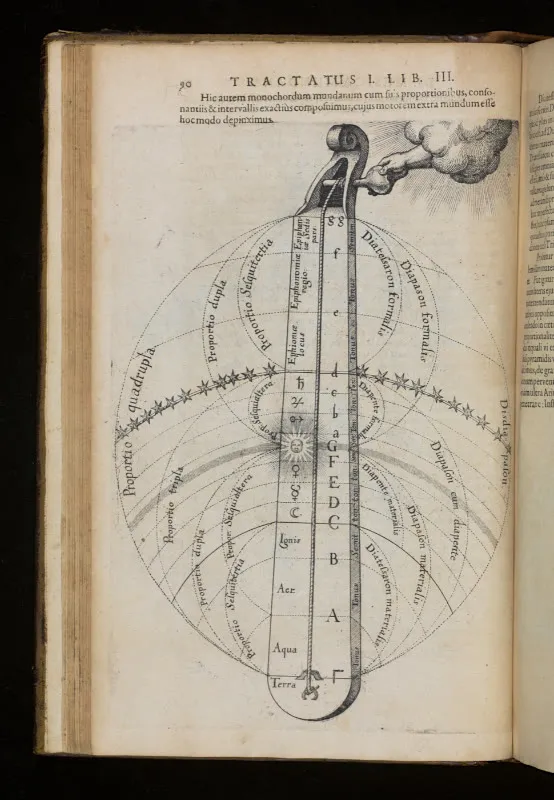 Cover Story ·
 The Sleeve Turned Records into a Cosmos
Harry Smith framed 84 commercial 78s with a seventeenth-century monochord, colored volumes, compressed notes, and a sequence that asked old categories to collide.Read story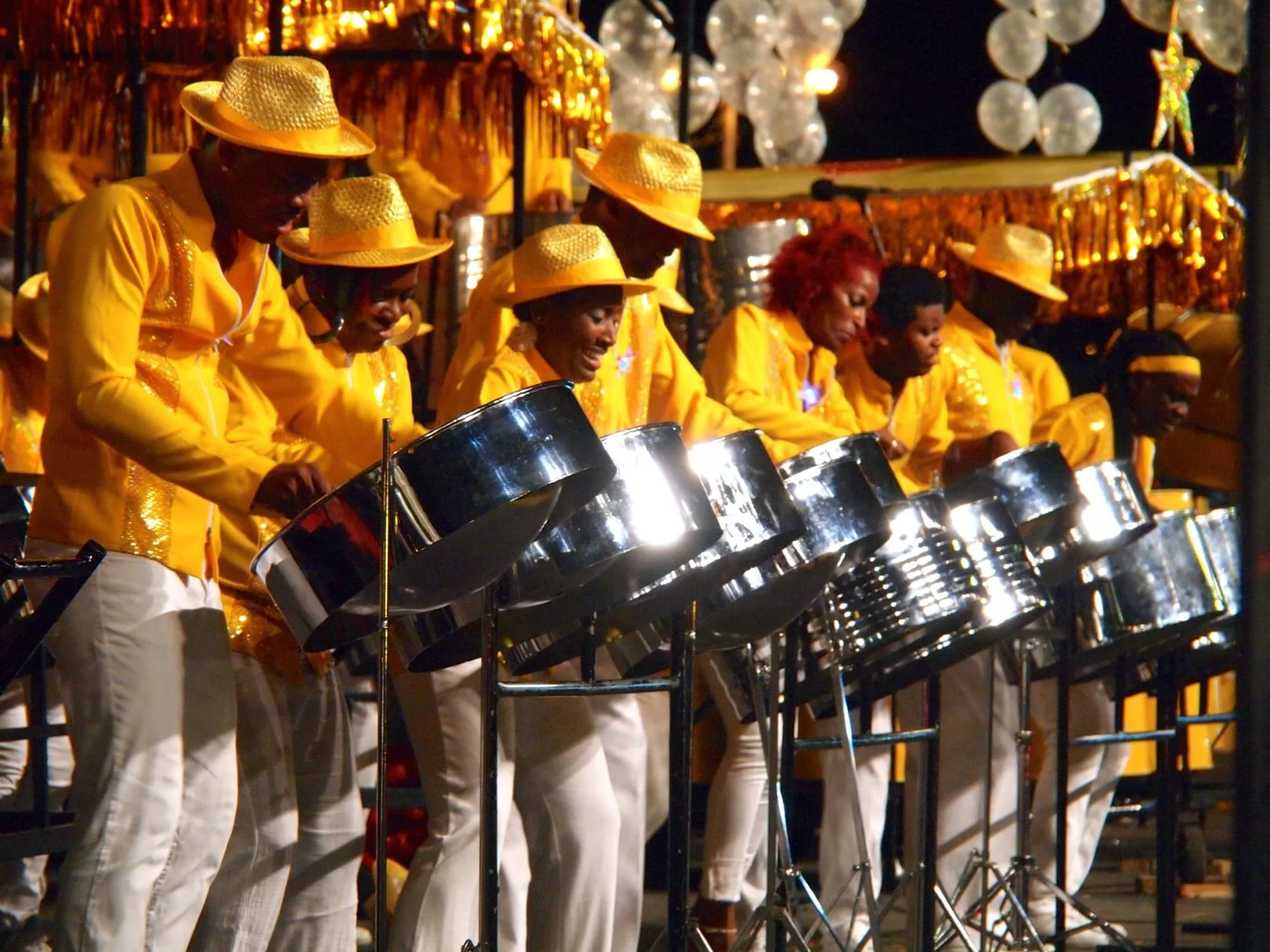 Instrument Story ·
 The Oil Drum Became an Orchestra
Steelpan grew through collective experiment in Trinidad and Tobago, turning shaped steel, tuned partials, instrument families, and Carnival labor into an orchestra.Read story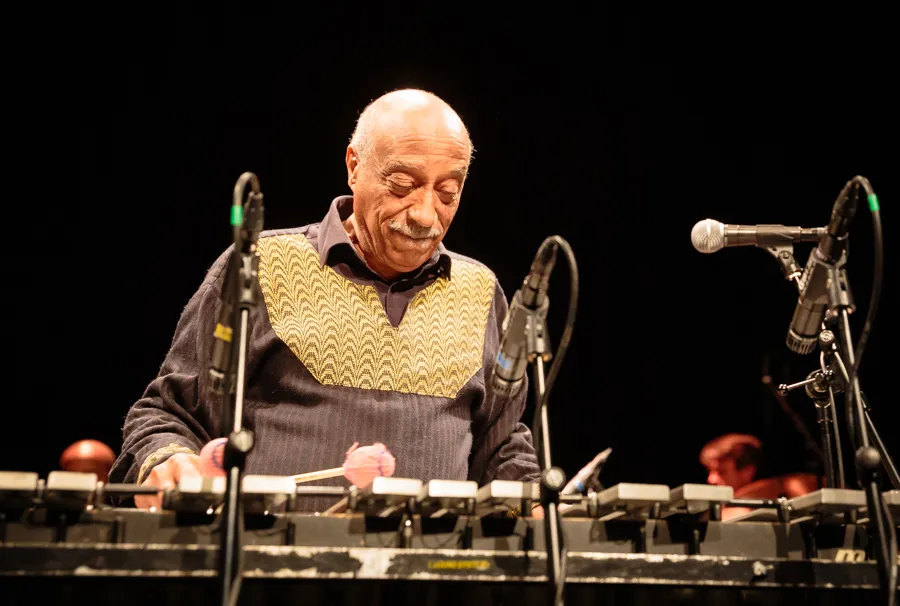 Artist Portrait ·
 The Vibraphone Took the Long Way Home
Mulatu Astatke built Ethio-Jazz through travel and return, placing Ethiopian modes beneath vibraphone, Latin percussion, electric keyboards, and horn arrangements.Read story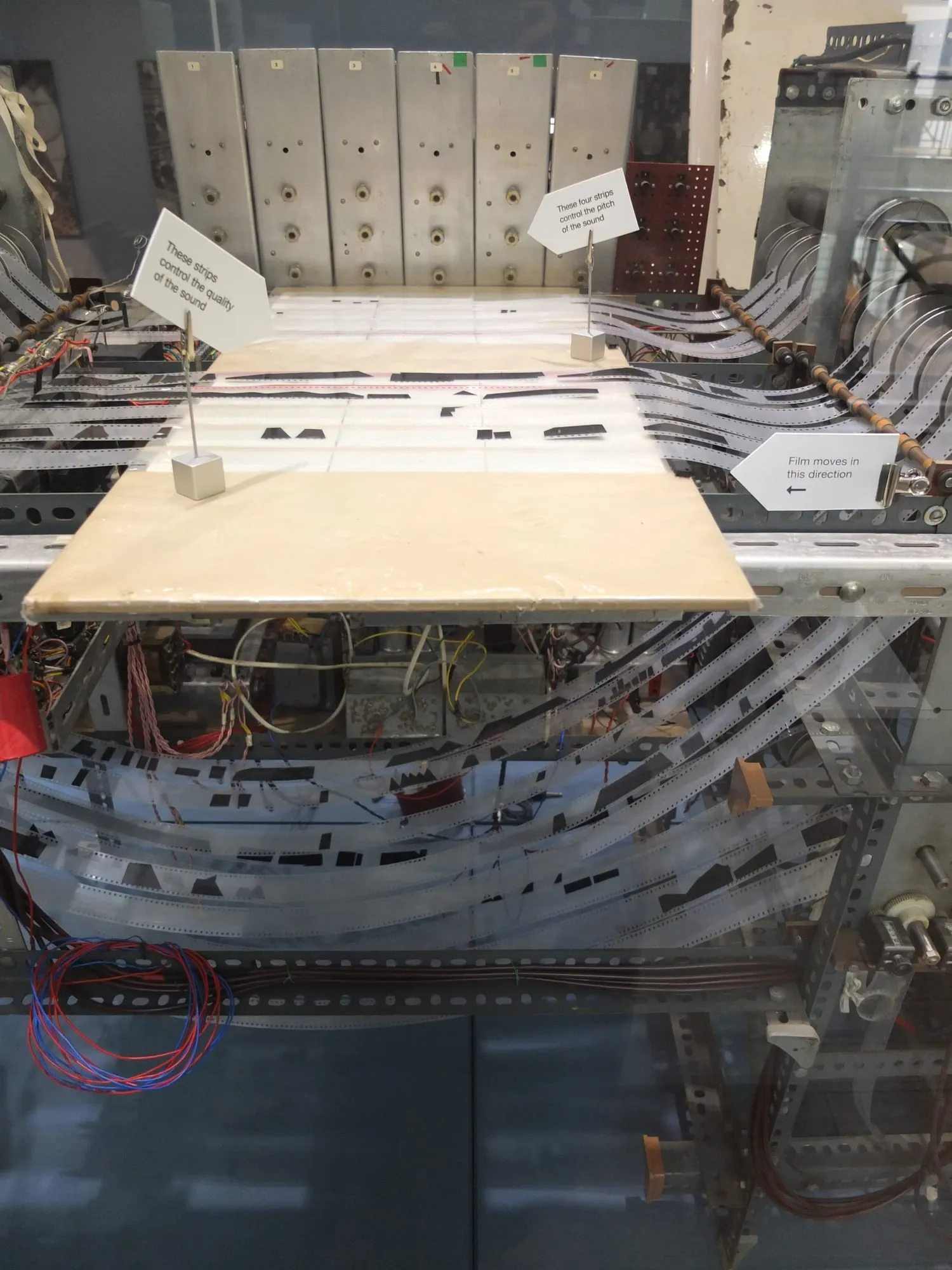 Technology Story ·
 The Composer Drew the Sound
Daphne Oram treated electronic music as a form of composition that could be seen, revised, and performed by a machine built to read a drawn gesture.Read story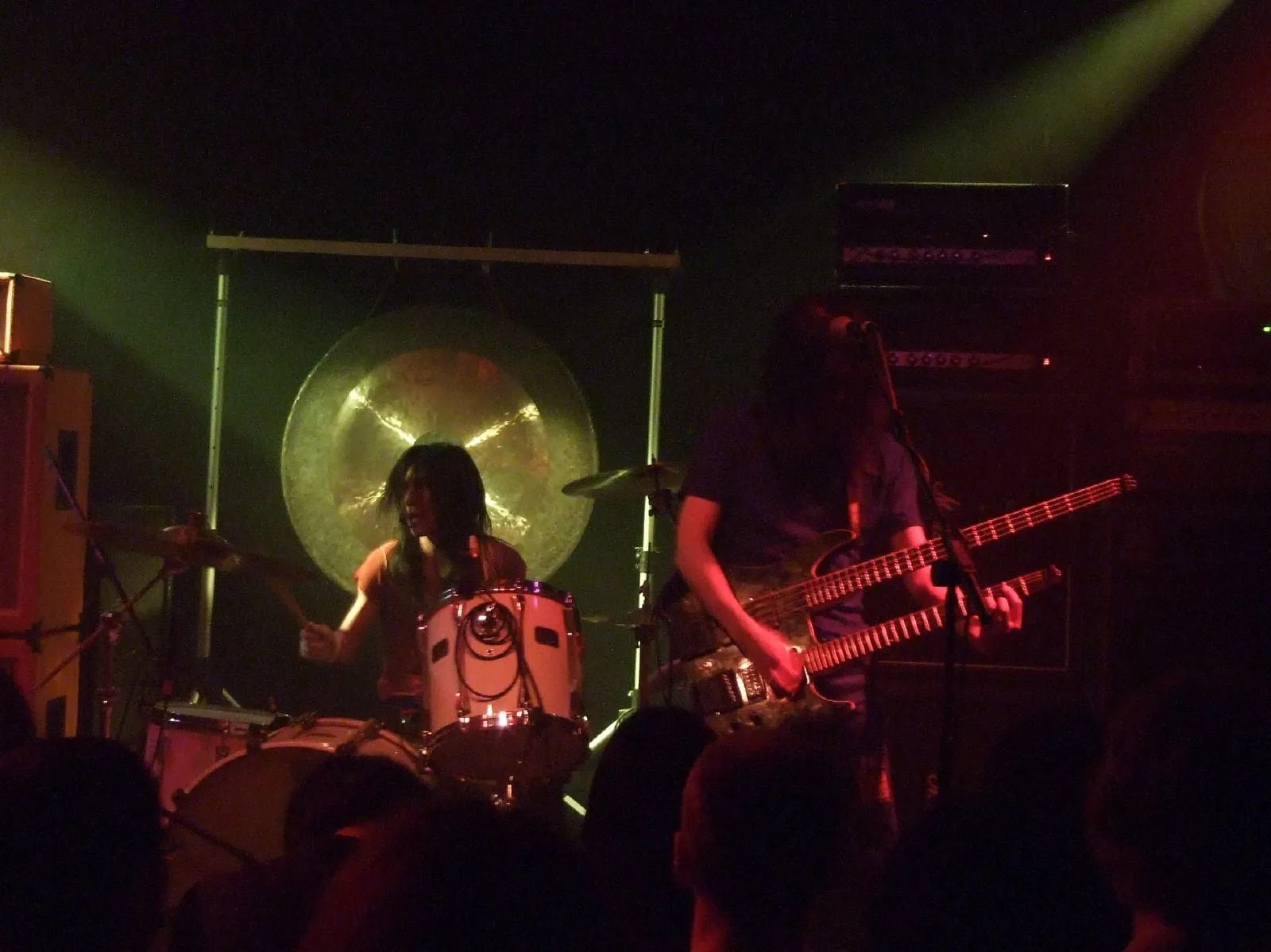 Artist Portrait ·
 Heavy Kept Changing Shape
Boris made heaviness a question of time, pressure, repetition, and form—then refused to give the same answer twice.Read story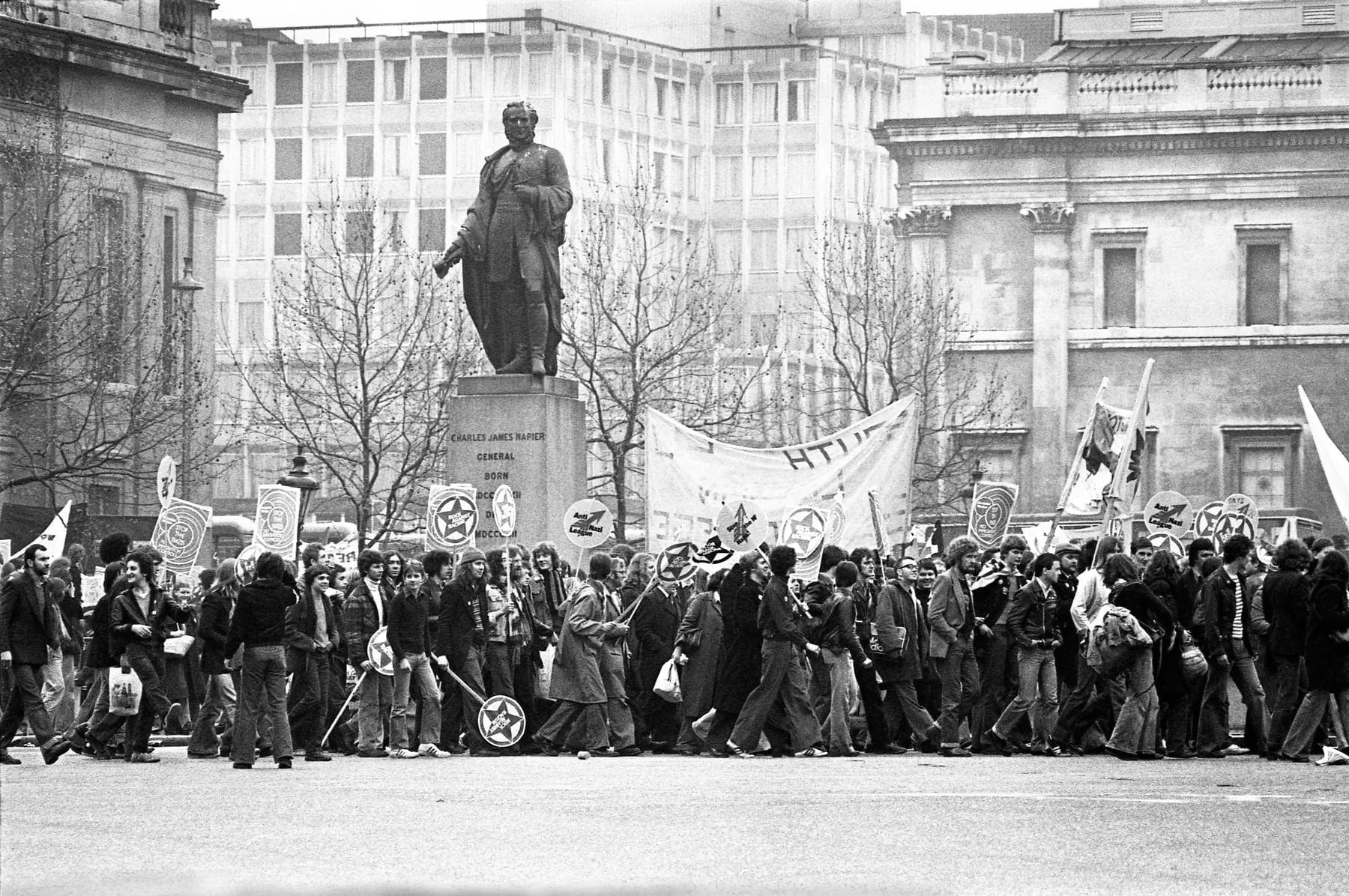 Scene Report ·
 The Carnival Started on Paper
Rock Against Racism joined print, design, local organizing, punk, and reggae into an anti-fascist network before Victoria Park made its scale visible.Read story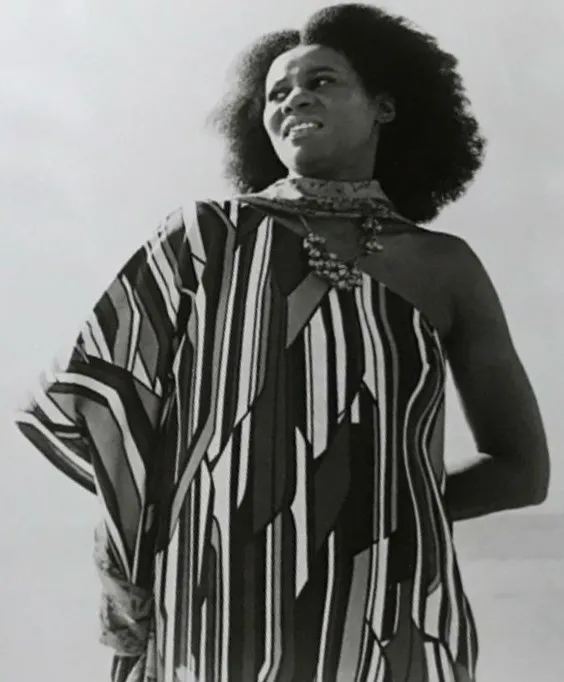 Artist Portrait ·
 The Harp Carried the Pulse
Alice Coltrane used harp, organ, ensemble writing, voices, and cassette production as working parts of one musical practice. The continuity lies not in atmosphere but in how she organized motion and participation.Read story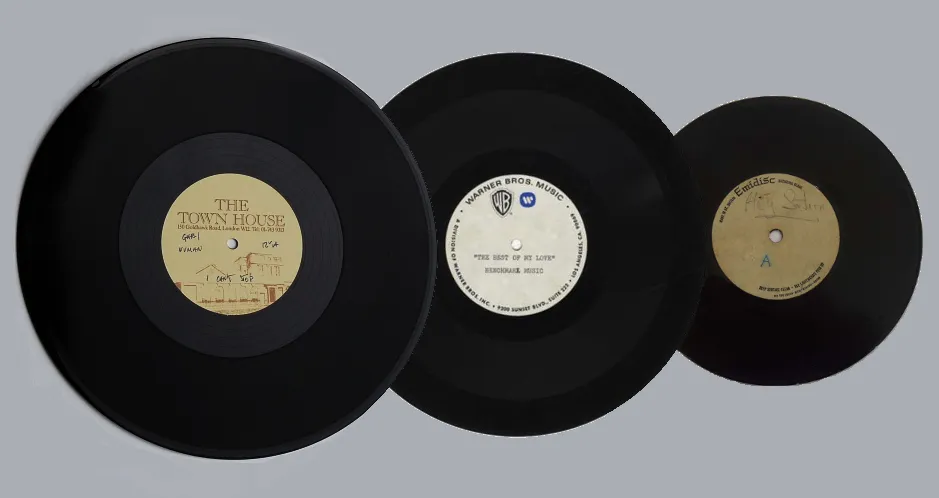 Technology Story ·
 The Groove Needed More Room
The disco 12-inch single was not one invention delivered fully formed. Longer mixes, DJ tests, lacquer cuts, mastering decisions, and crowded dance floors taught the record industry what the larger disc could do.Read story Scene Report ·
 The Machine Was the Party
On Colombia's Caribbean coast, the picó was never merely a stack of loudspeakers. Painted, named, and operated as a local business, it joined records, neighborhoods, dancers, and producers into one working music system.Read story Scene Report ·
 The Voice Arrived Before the Face
Hindi film playback began as a practical separation of recording and shooting. It became a collaborative art in which singers, actors, composers, dancers, cameras, and editors built one screen performance.Read story Technology Story ·
 The Drum Machine Had a Name
The Sisters of Mercy called every version of their drum machine Doktor Avalanche. The joke described a serious method—fixed pulse as composition, arrangement, image, and labor.Read story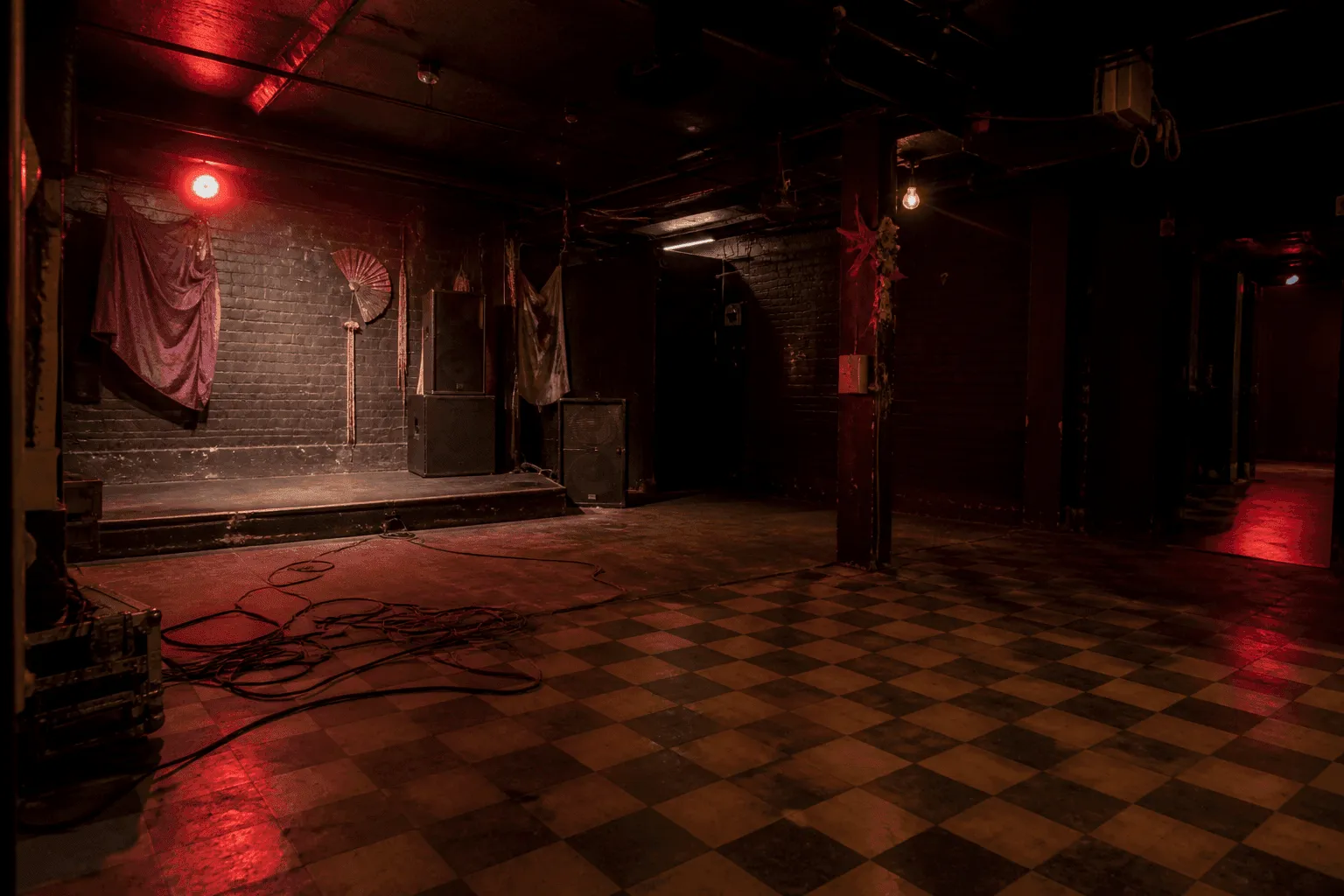 Scene Report ·
 The Night Built Its Own Stage
The Batcave did more than gather dark-looking bands in one room. Its weekly labor joined sound, clothes, flyers, performance, and audience into a scene people could carry elsewhere.Read story Scene Report ·
 The Record Held the Contradiction
Tropicália did not settle an argument between Brazilian tradition, electric pop, television, and the avant-garde. Its musicians and arrangers built those conflicts into the sound.Read story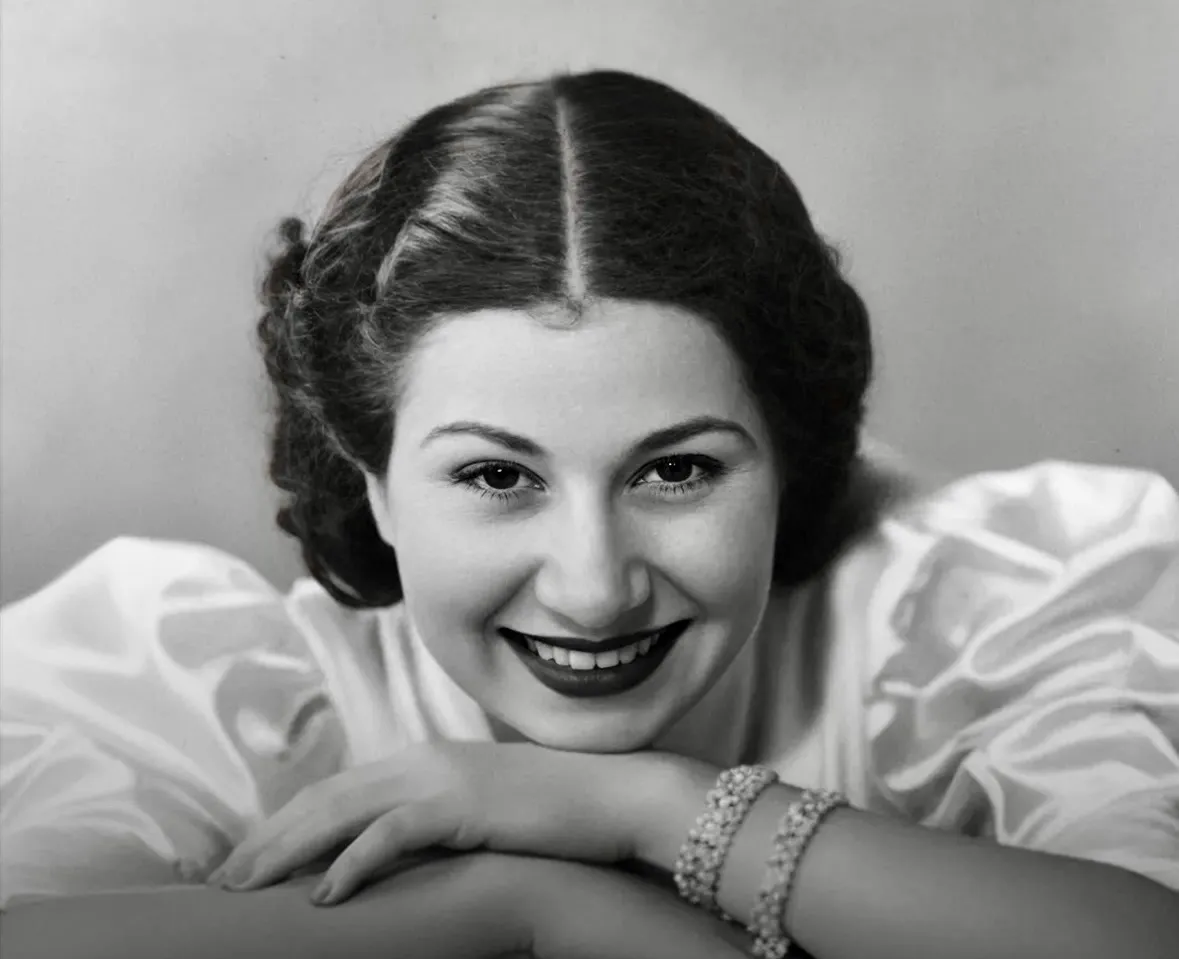 Artist Portrait ·
 The Song Changed When the Room Answered
Umm Kulthum treated a composed song as material for a live exchange. Repetition, minute variation, an alert orchestra, and an audible audience made duration part of the music.Read story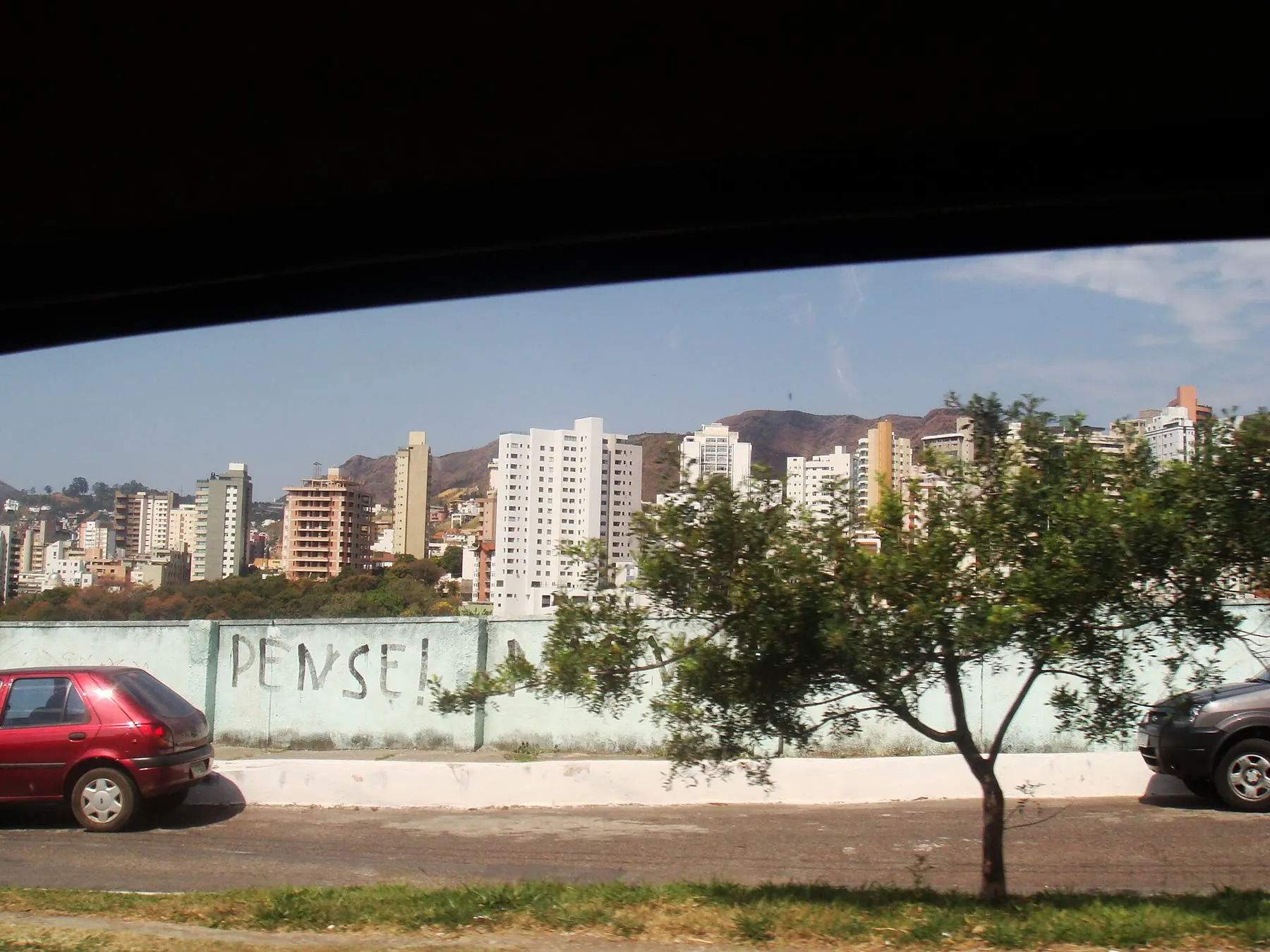 Scene Report ·
 The Store Became the Label
In Belo Horizonte, a small record shop became a meeting point, a pressing operation, and the first route out for one of metal's harshest local scenes.Read story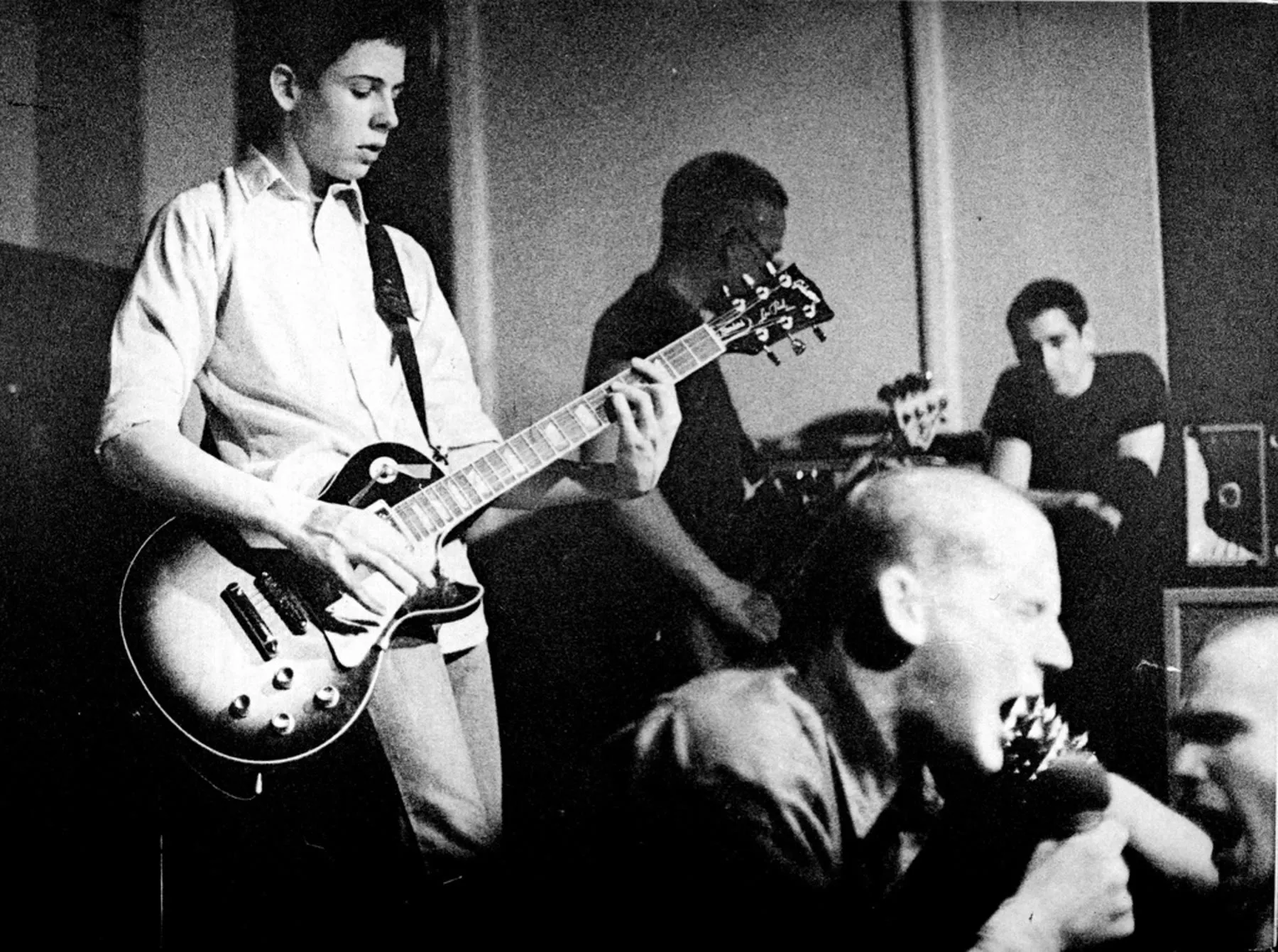 Scene Report ·
 The X Stayed on the Hand
Washington hardcore changed who could enter the room, how a record paid for the next record, and what an independent scene could preserve for itself.Read story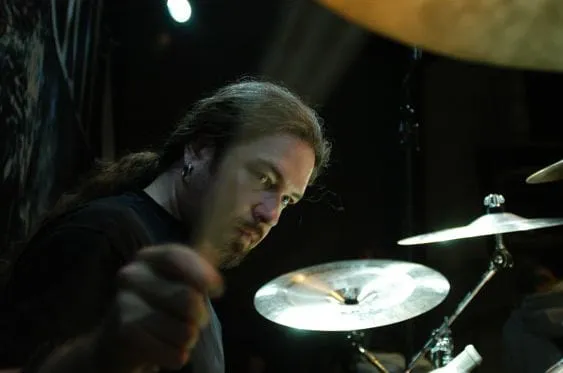 Artist Portrait ·
 The Bar Line Stayed Put
Meshuggah made extreme metal feel unstable without abandoning the pulse, setting repeating guitar cycles against a meter the body can continue to follow.Read story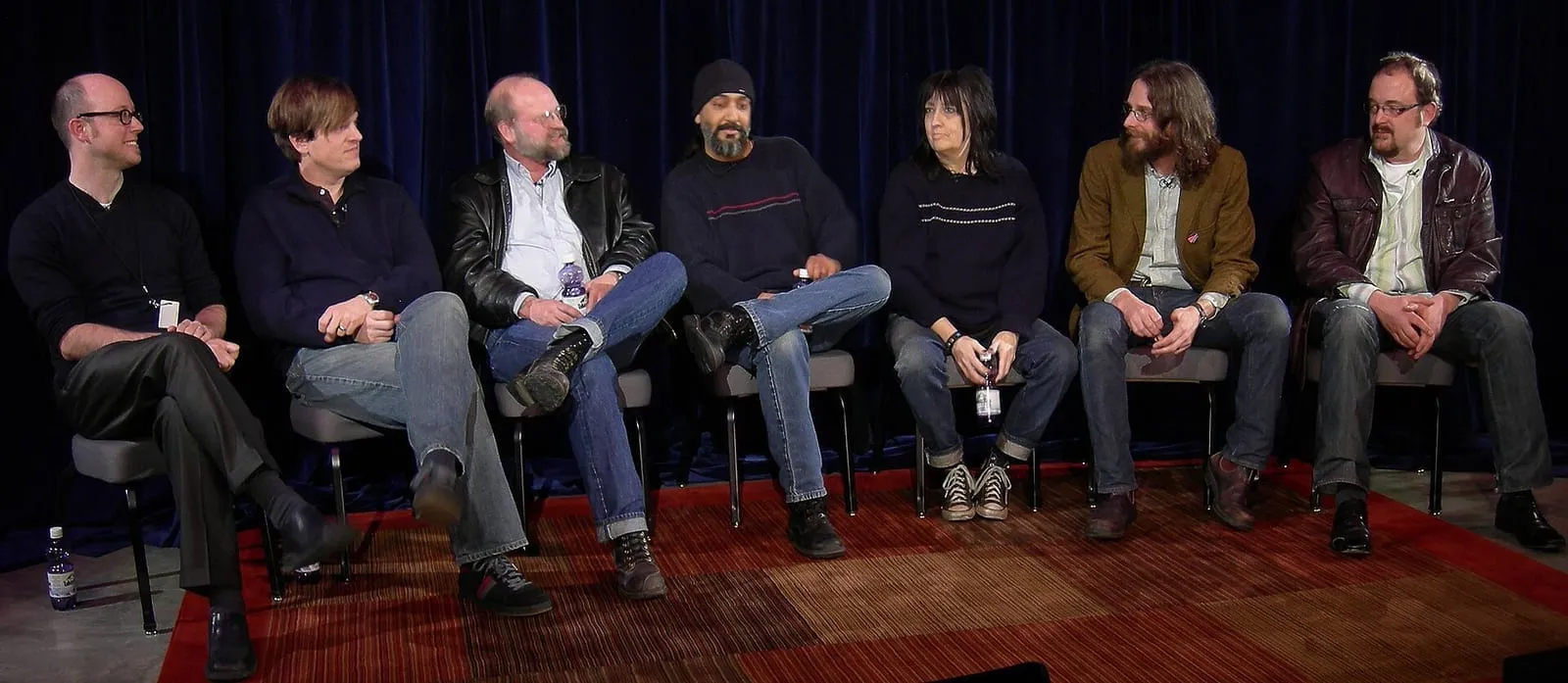 Scene Report ·
 The Room Charged by the Hour
Before Seattle became a worldwide adjective, Reciprocal Recording turned limited tracks, short sessions, and a close local network into records that could travel.Read story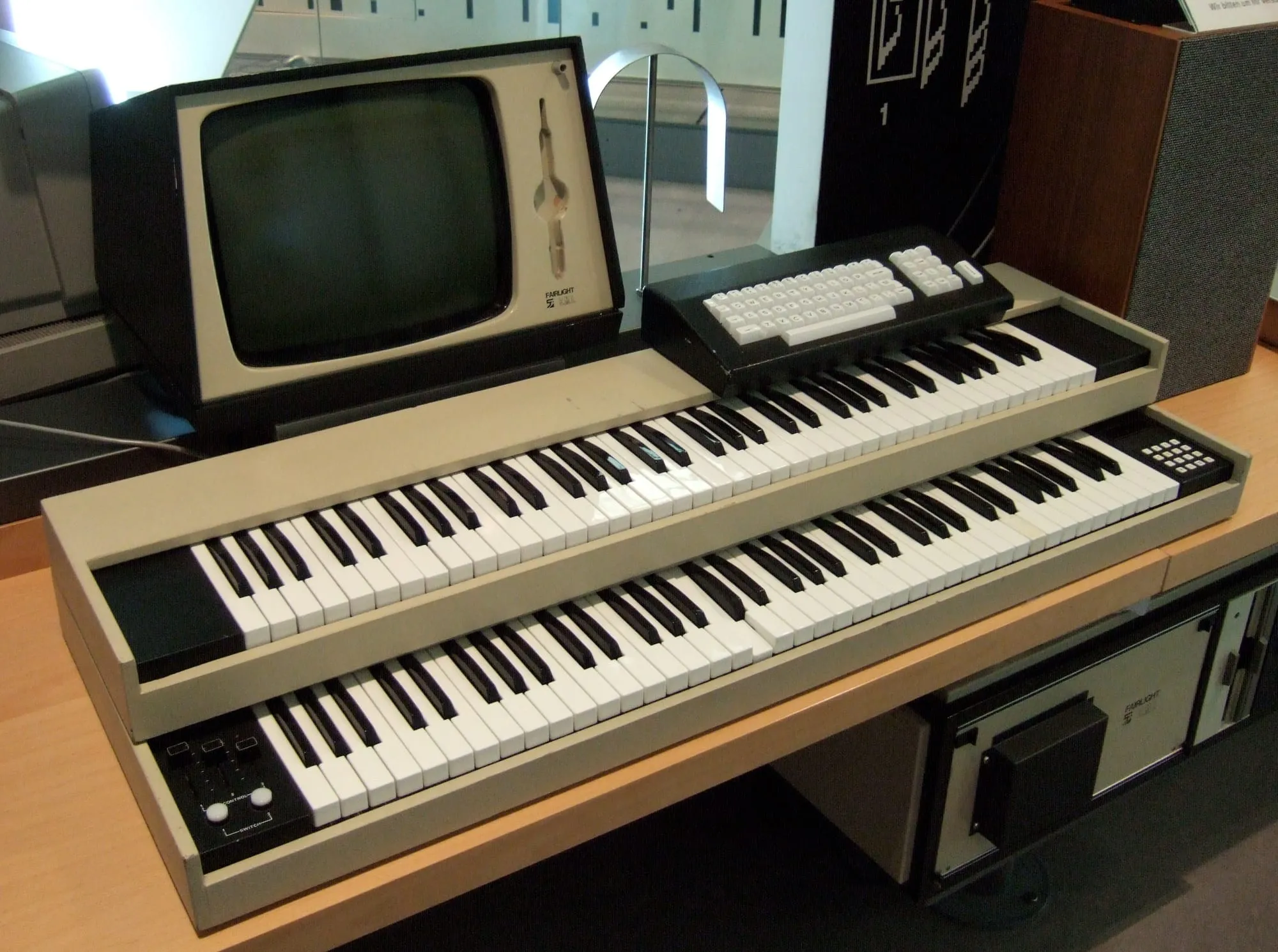 Technology Story ·
 The Sample Had a Screen
The Fairlight CMI made recorded sound visible, editable, and repeatable—but its light pen, Page R sequencer, limited memory, and price shaped what users heard.Read story Artist Portrait ·
 The Band Was the Arrangement
Fela Kuti built Afrobeat with Africa 70 as a working system—drums, guitars, bass, horns, voices, rehearsal, and politics held in one long form.Read story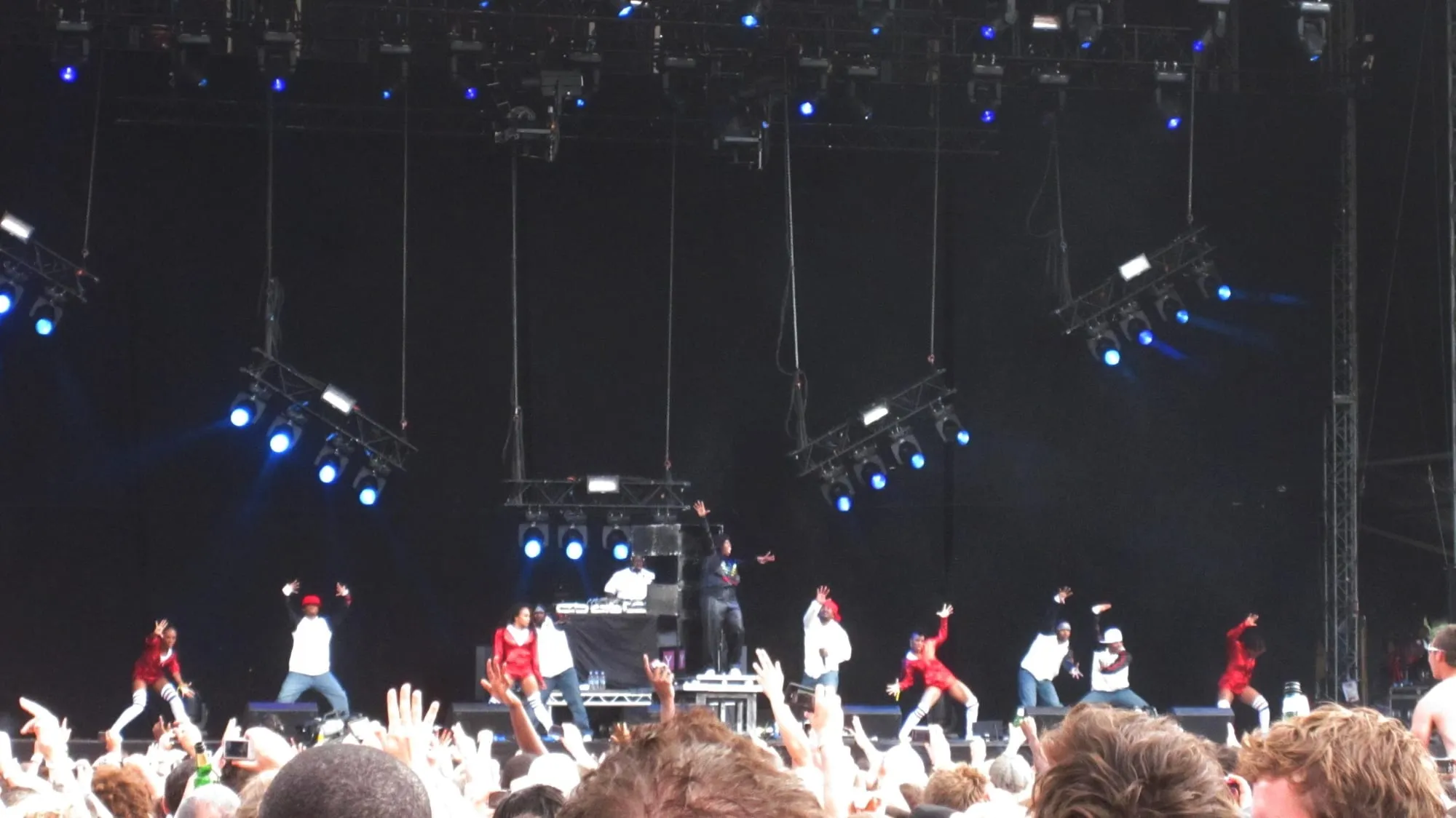 Artist Portrait ·
 The Voice Inside the Beat
Missy Elliott made rap, melody, breath, silence, and character part of the arrangement, then carried those changes of scale and perspective into music video.Read story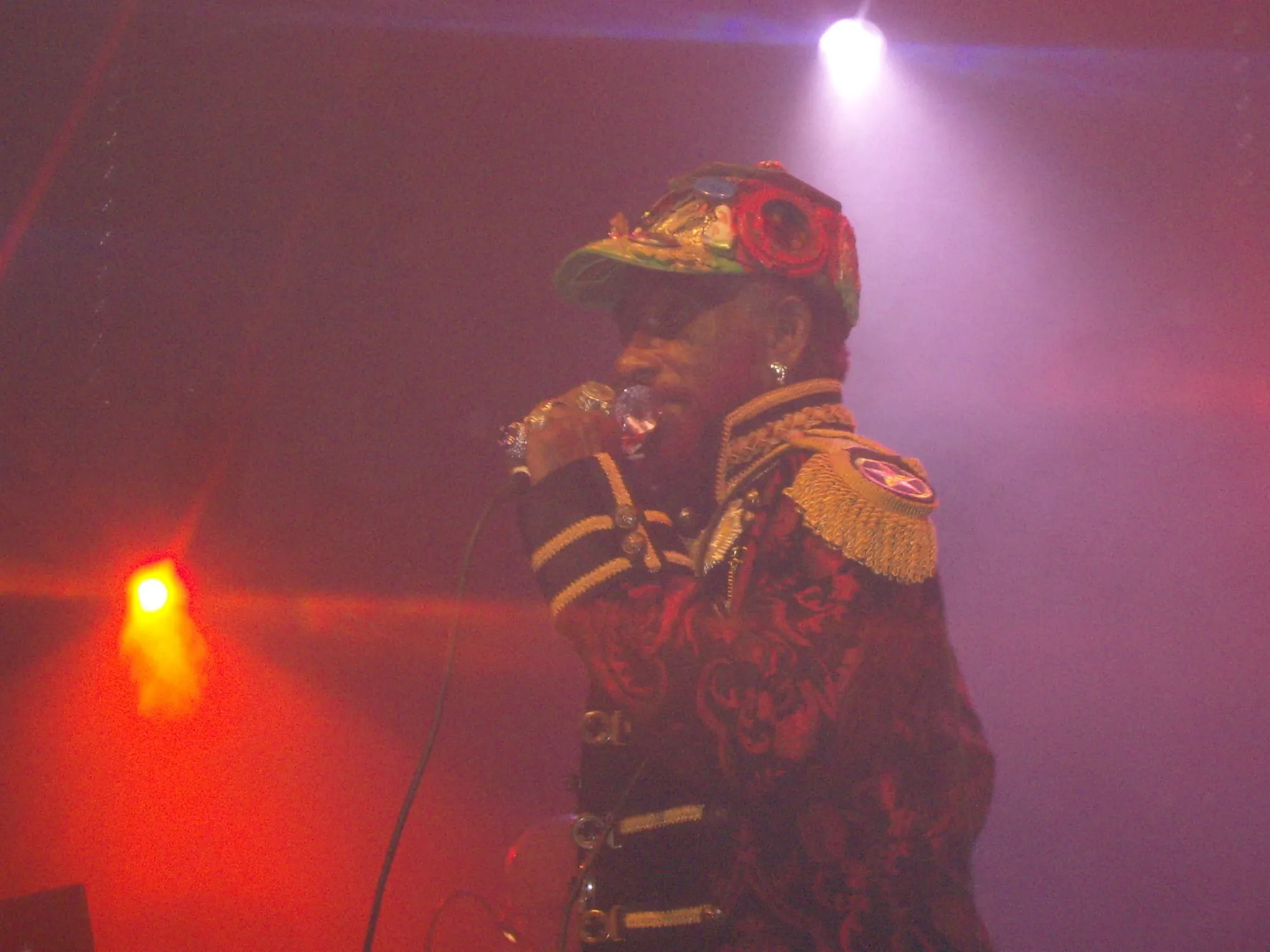 Artist Portrait ·
 The Mix Was Still Being Written
Lee “Scratch” Perry used the Black Ark’s modest equipment to keep a recording open—cutting, layering, filtering, and returning to it until the mix became another act of composition.Read story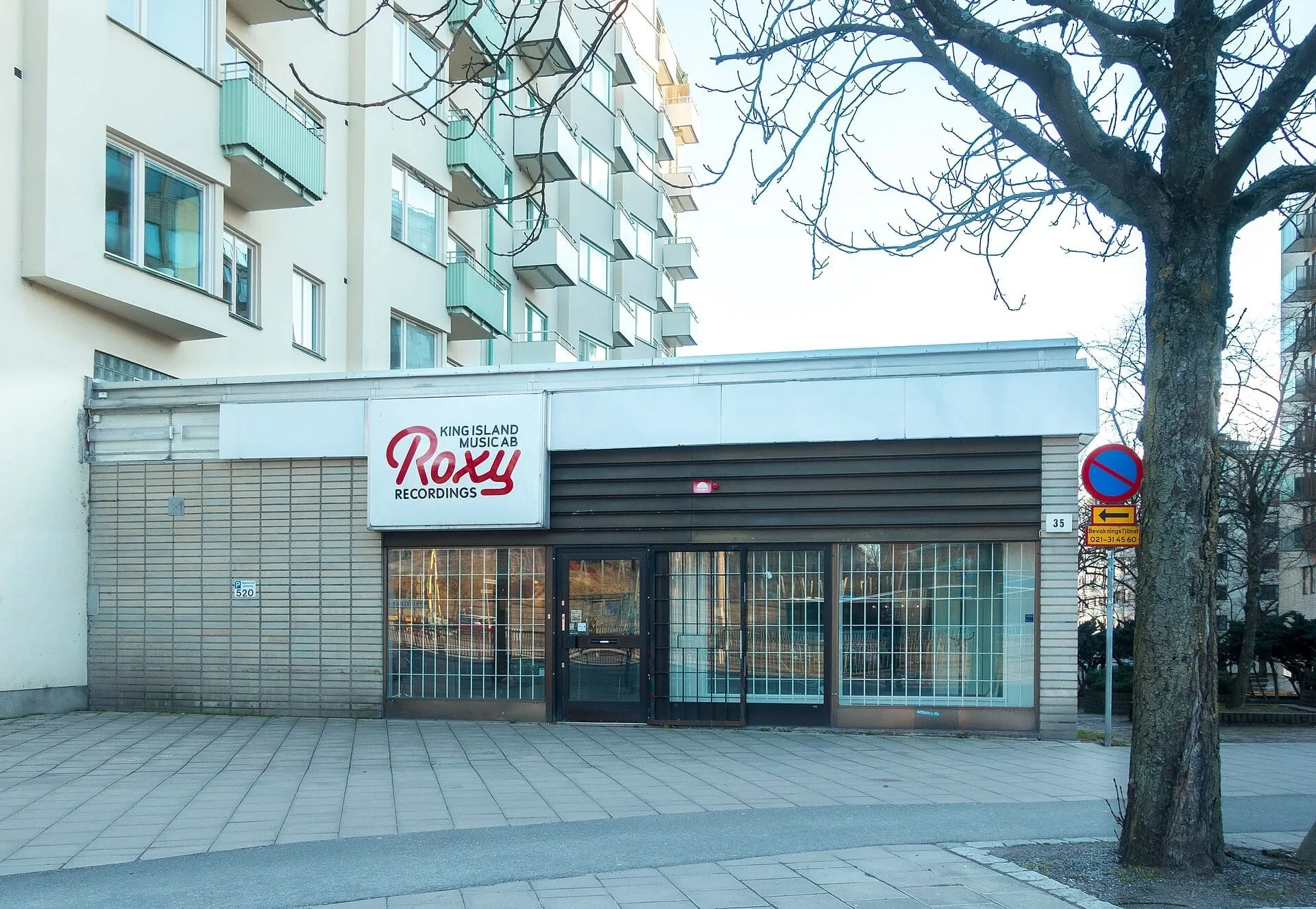 Technology Story ·
 The Studio That Counted Every Hook
Cheiron Studios turned Stockholm club knowledge into international pop by treating songs as shared construction: every entrance, syllable, and return could be tested.Read story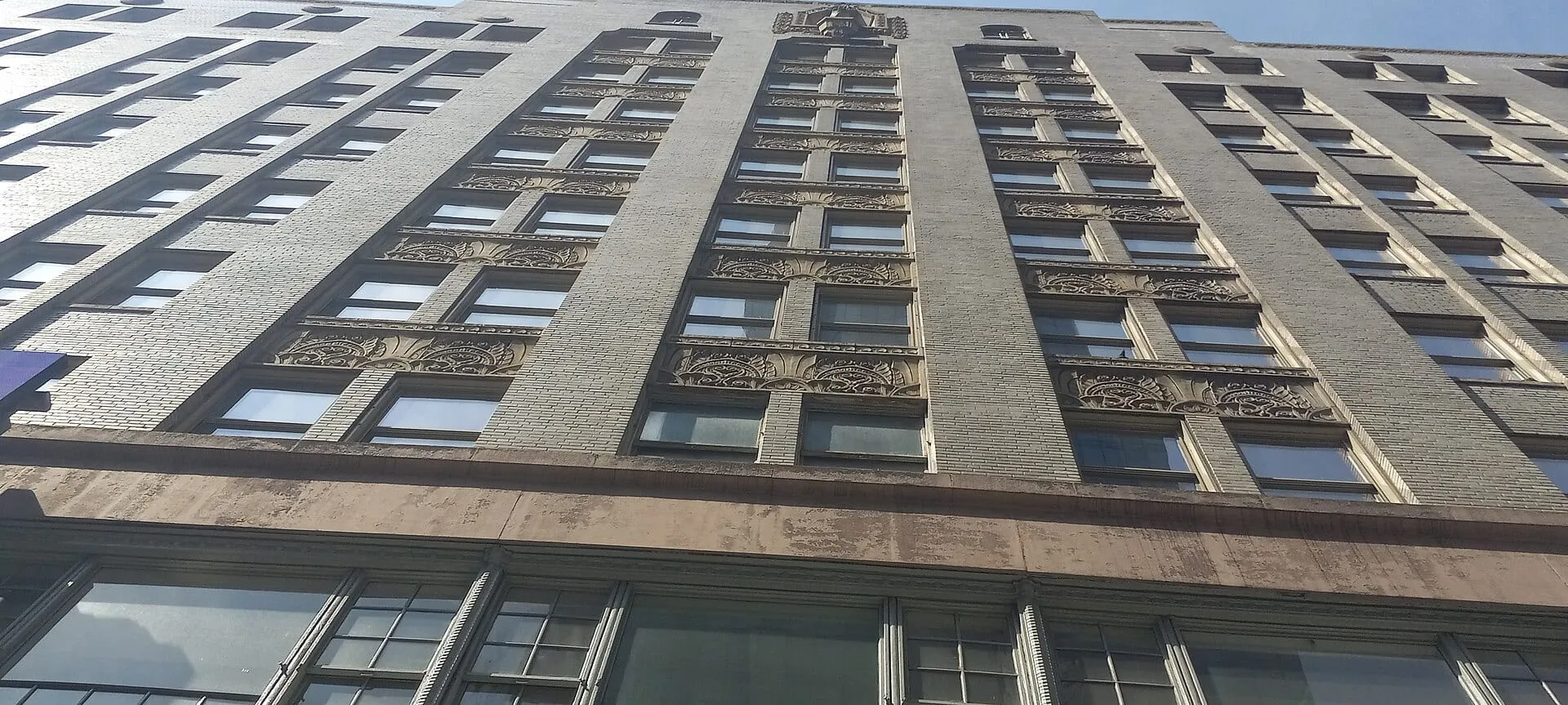 Scene Report ·
 Three Minutes at 1650 Broadway
The music business called it the Brill Building sound, but many of its busiest writers worked across the street, where a piano, a deadline, and another singer’s voice defined the job.Read story
Story title
Read storyShowing 1–30 of 46