
Archive page 2 of 2
Stories archive
Artist portraits, scene reports, instrument and technology stories, and cover histories, each with numbered sources and a visible image-rights record.
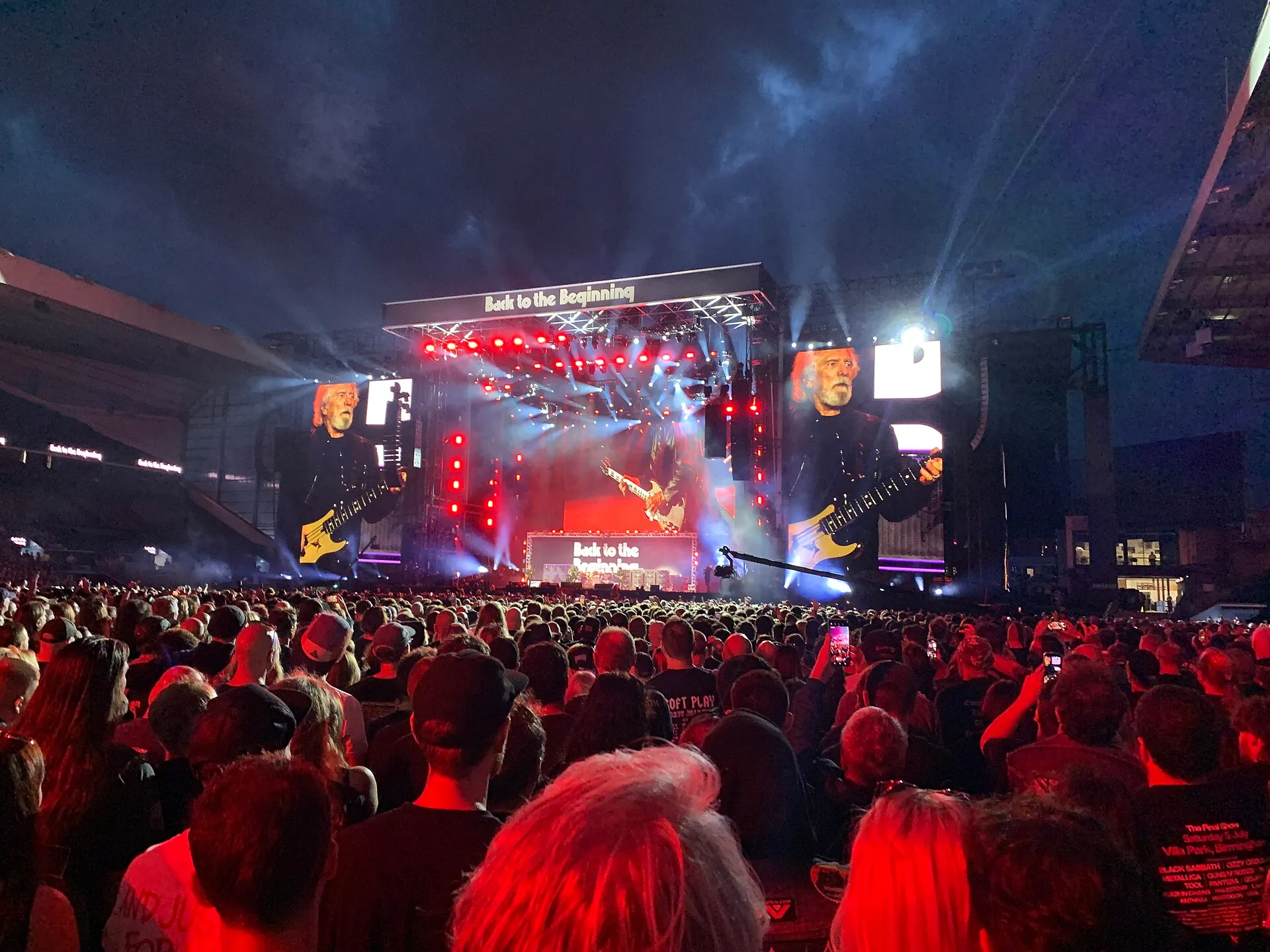 Artist Portrait ·
 Four Parts, One Weight
Black Sabbath’s first records were built by four musicians listening hard to one another: riff, bass, drums, words, and vocal melody moving as a single unstable mass.Read story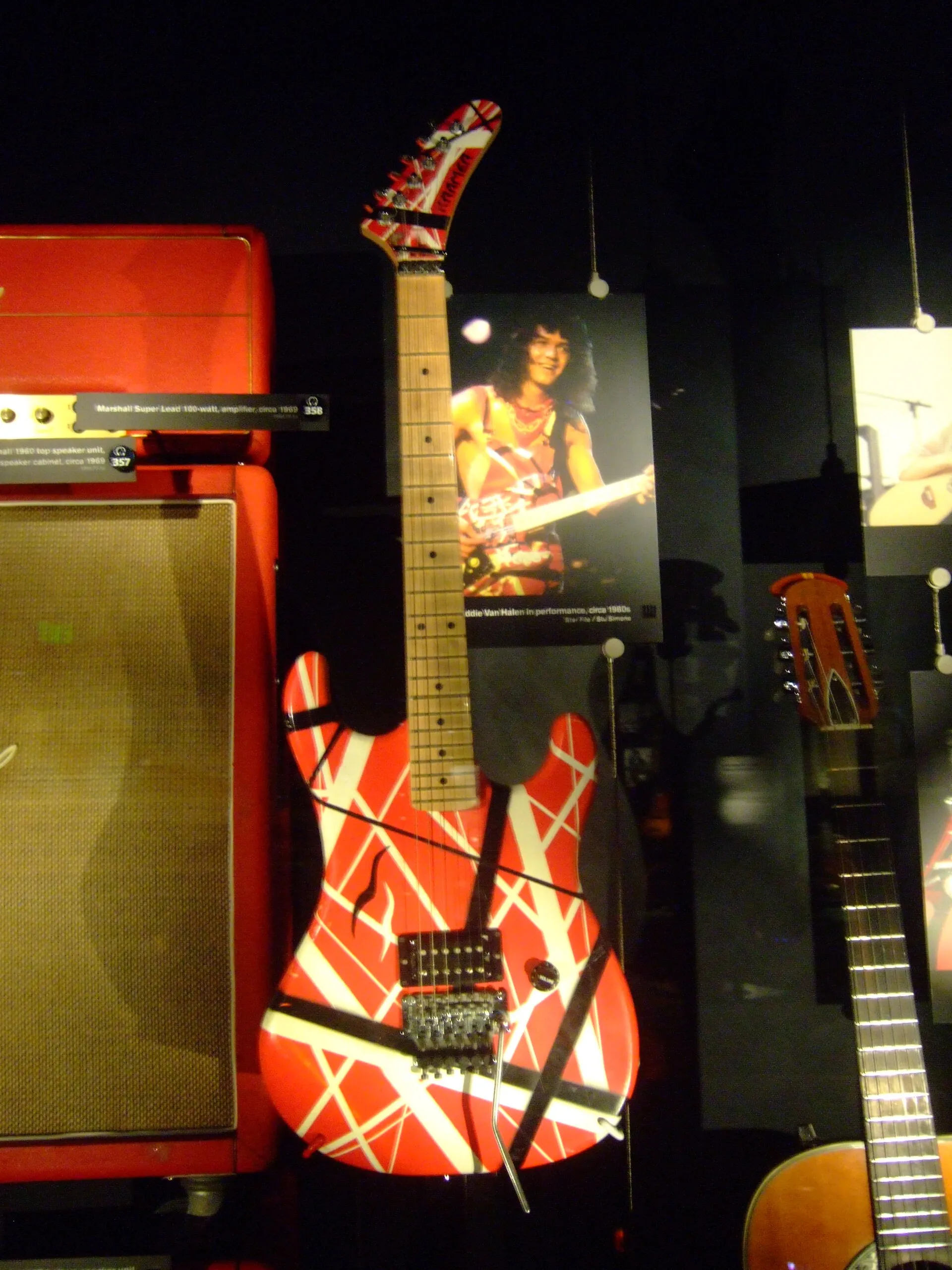 Artist Portrait ·
 The Workshop Inside the Guitar
Eddie Van Halen treated the electric guitar as unfinished equipment: a player could cut, rewire, repaint, retune, and rebuild it until technique and machinery answered each other.Read story Scene Report ·
 The New Wave Was a Network
NWOBHM did not arrive from one city or one signature sound. It moved through a London disco, regional rooms, weekly newsprint, demo tapes, mail order, and small runs of vinyl.Read story Scene Report ·
 Tape Traders at the Front Row
Bay Area thrash grew through import bins, copied demos, college radio, fan cameras, fanzines, and rooms where hardcore and metal audiences learned each other’s speed.Read story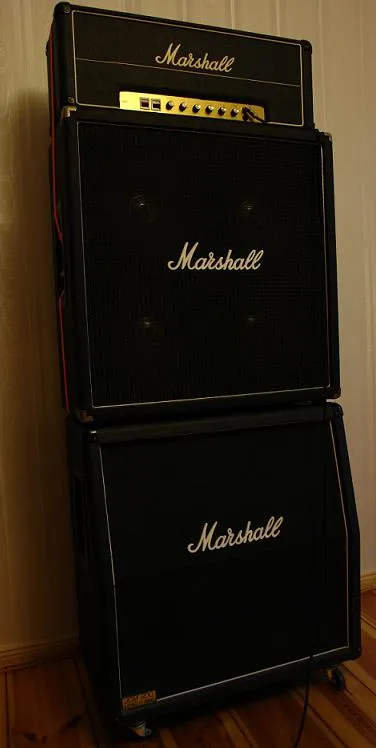 Technology Story ·
 What the Stack Changed
The Marshall stack joined amplifier, loudspeaker cabinets, stage height, and overdriven valves into one system. Its sound and its silhouette did different kinds of work.Read story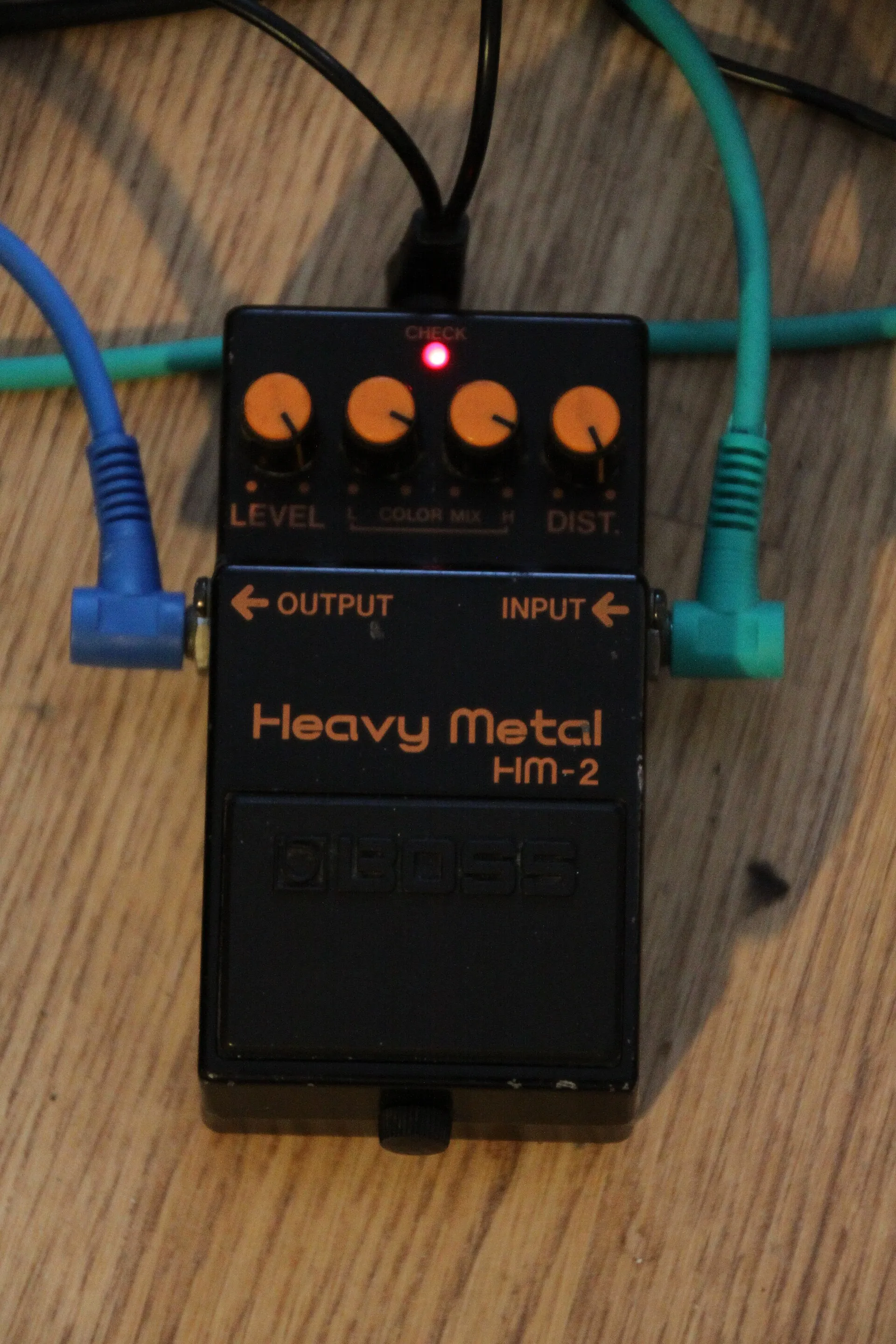 Technology Story ·
 All Four Knobs to the Right
BOSS designed the HM-2 to put a British-style stack in a compact orange-and-black pedal. Stockholm musicians found another circuit hiding at the end of every control.Read story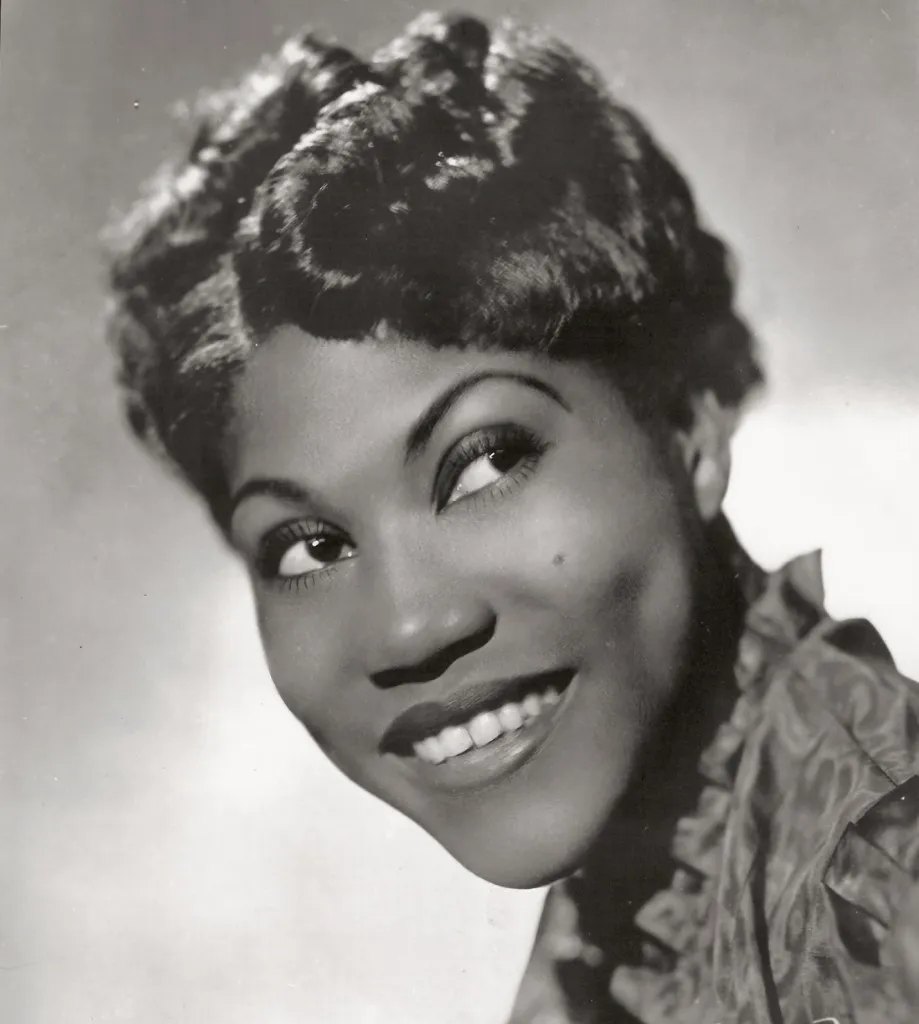 Artist Portrait ·
 The Guitar Before Rock Had a Name
Sister Rosetta Tharpe made the electric guitar answer a gospel voice, then carried that sound through churches, theaters, studios, stadiums, and a railway platform.Read story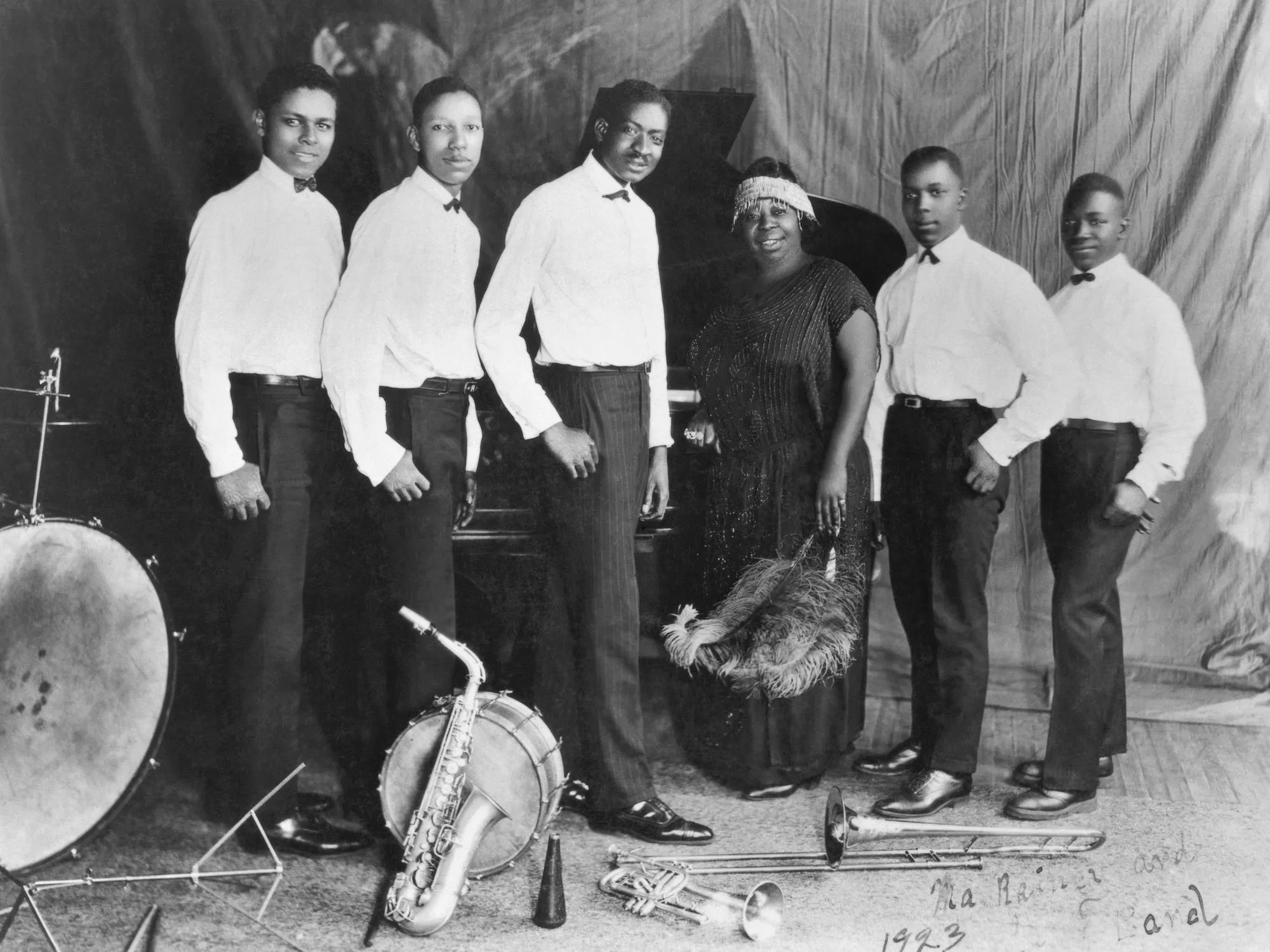 Artist Portrait ·
 The Business in Ma Rainey’s Voice
Before record companies could sell the blues as a category, Ma Rainey had learned how to make it work in tents, theaters, train cars, and towns across the South.Read story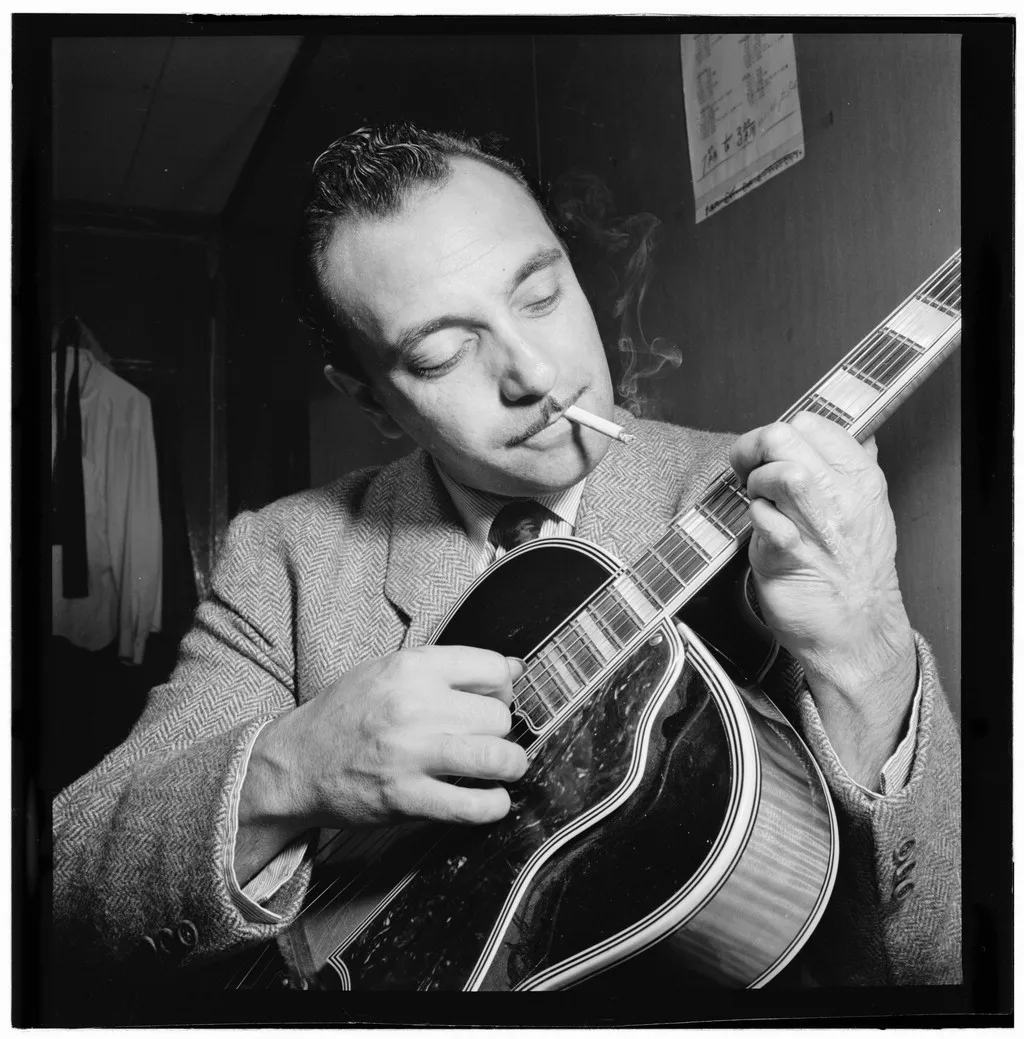 Artist Portrait ·
 Five Strings, No Drummer
Django Reinhardt’s Quintette made rhythm guitar carry the floor, then placed an improvising soloist above it with no brass section or drum kit to hide behind.Read story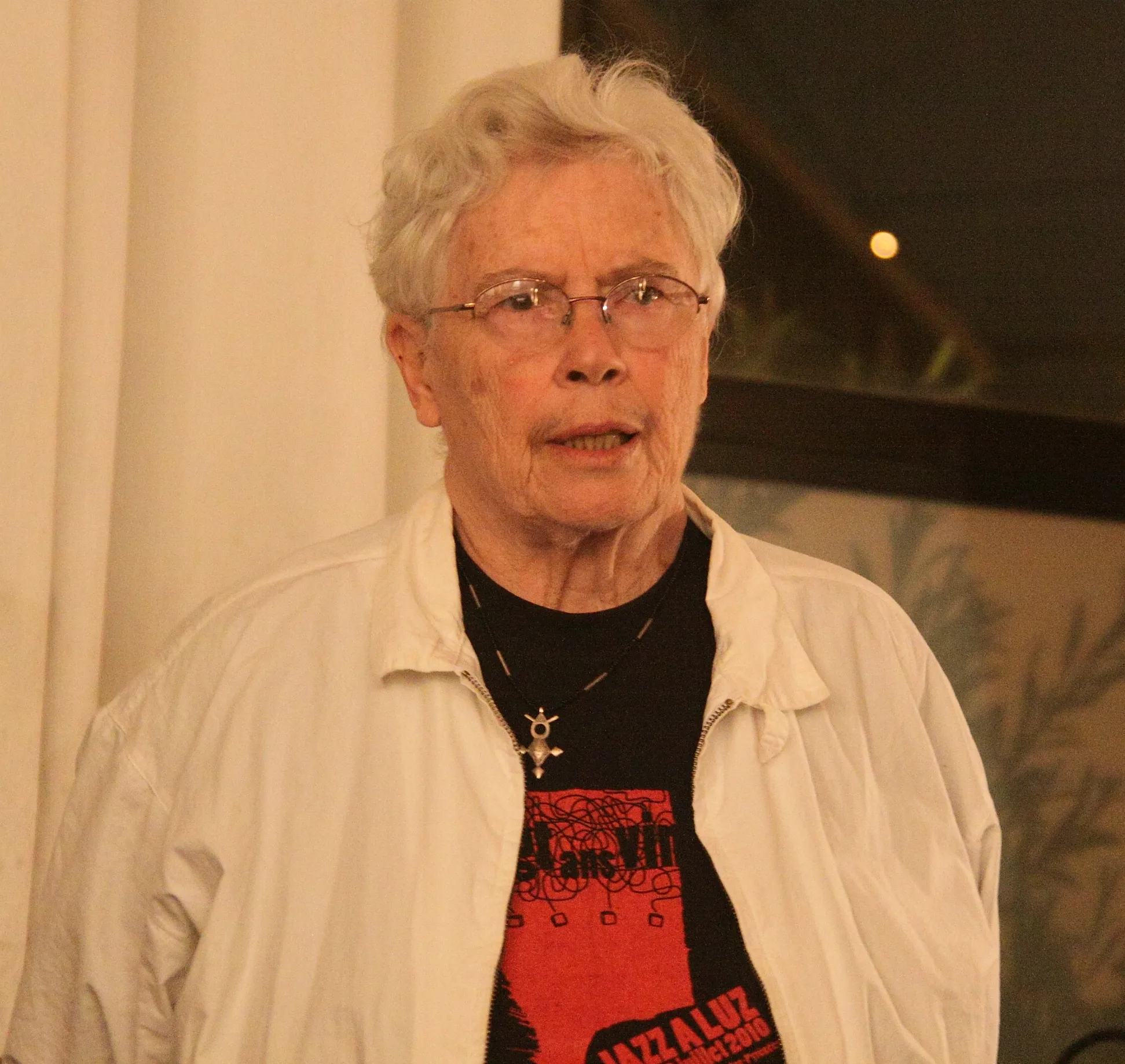 Artist Portrait ·
 Forty-Five Seconds of Room
Pauline Oliveros entered an empty water cistern with an accordion and left with a practical question: what changes when musicians treat the echo as a member of the group?Read story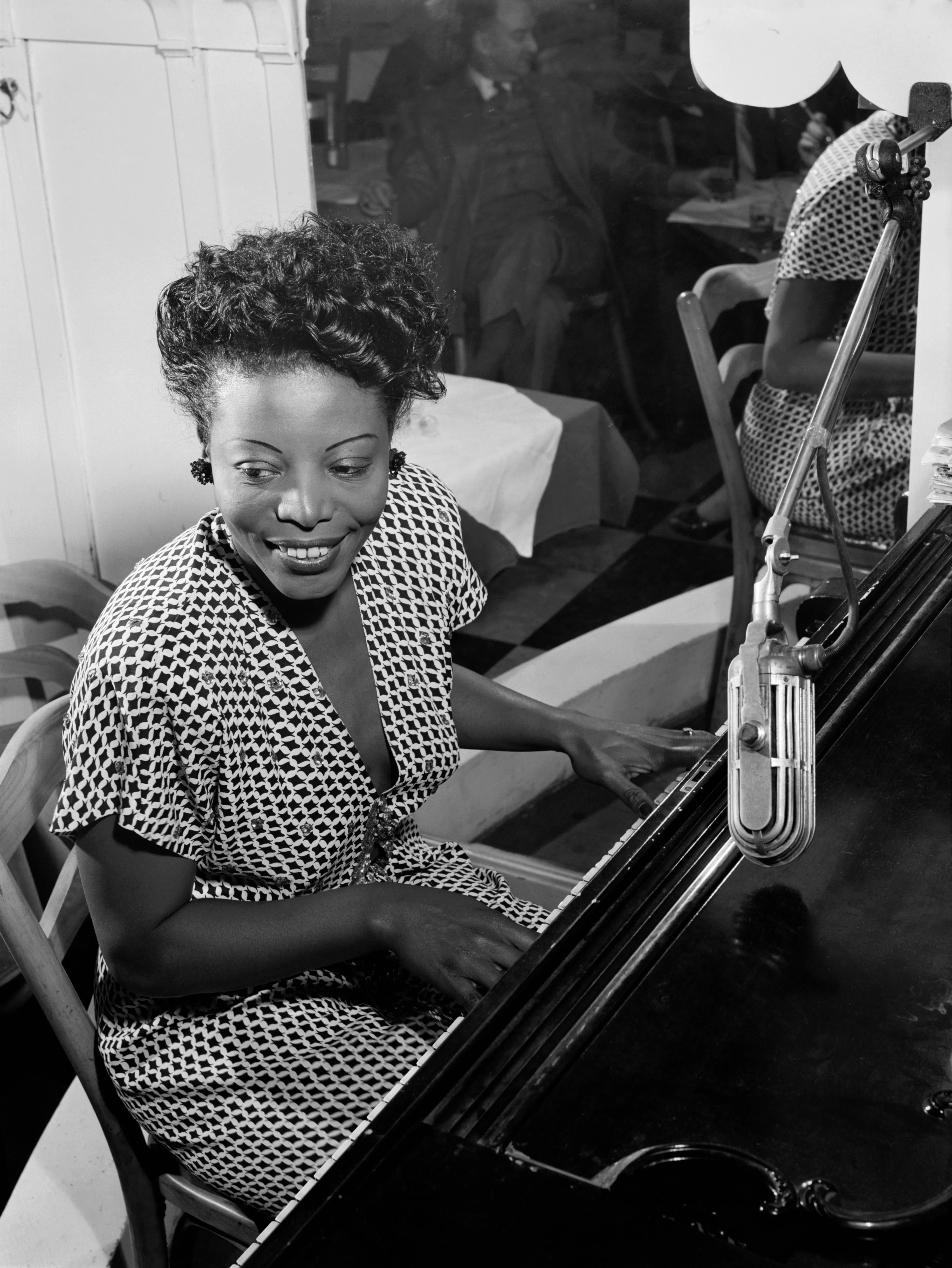 Artist Portrait ·
 A Jazz History at the Keyboard
Mary Lou Williams did not move from swing to bebop as if changing departments. She wrote, played, taught, and argued for a continuous music with the blues running through it.Read story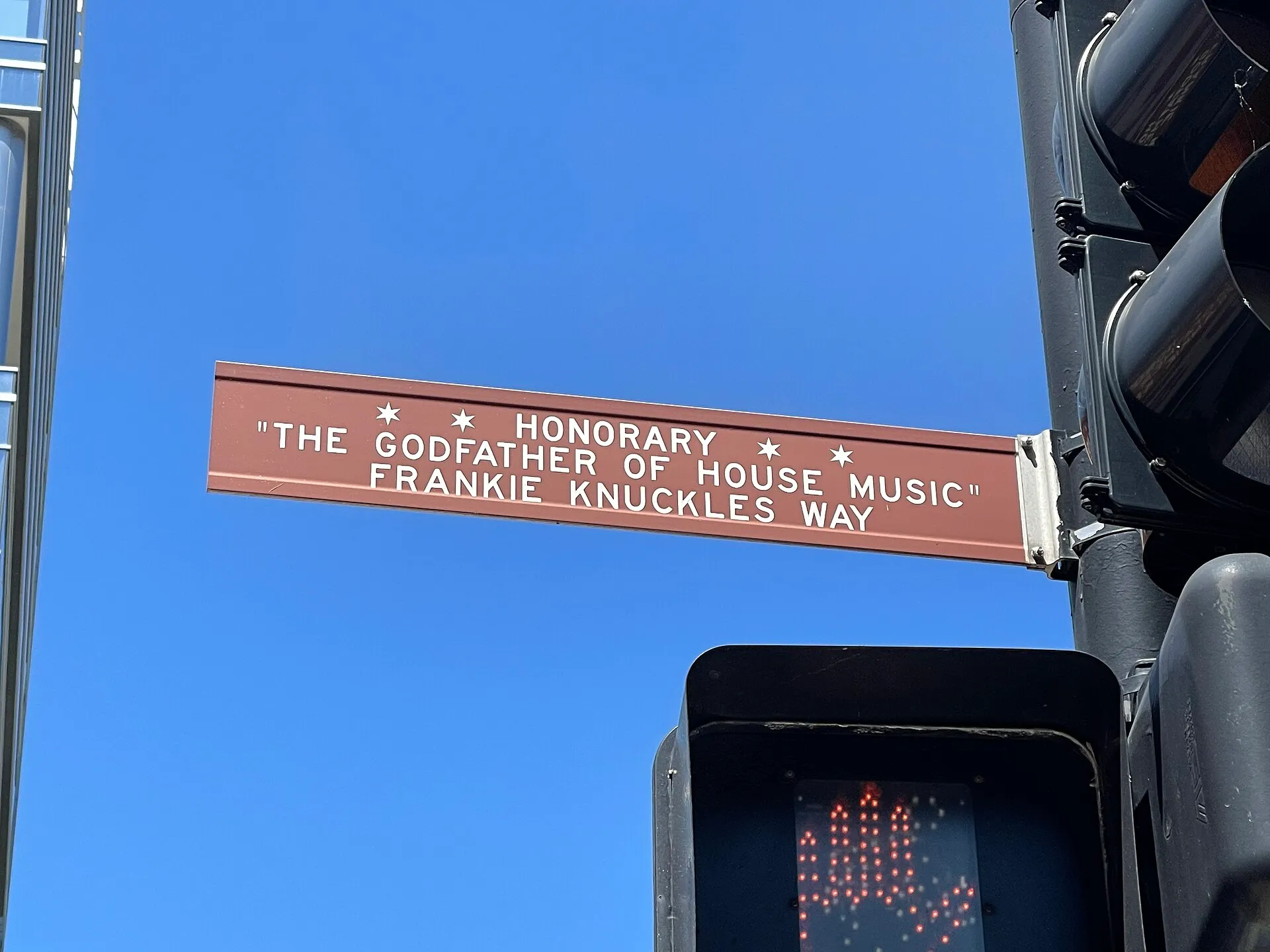 Scene Report ·
 The Room Before the Record
Chicago house did not begin as a drum-machine preset. It took shape through queer Black and Latino dance floors, DJs extending records, local radio, and small labels.Read story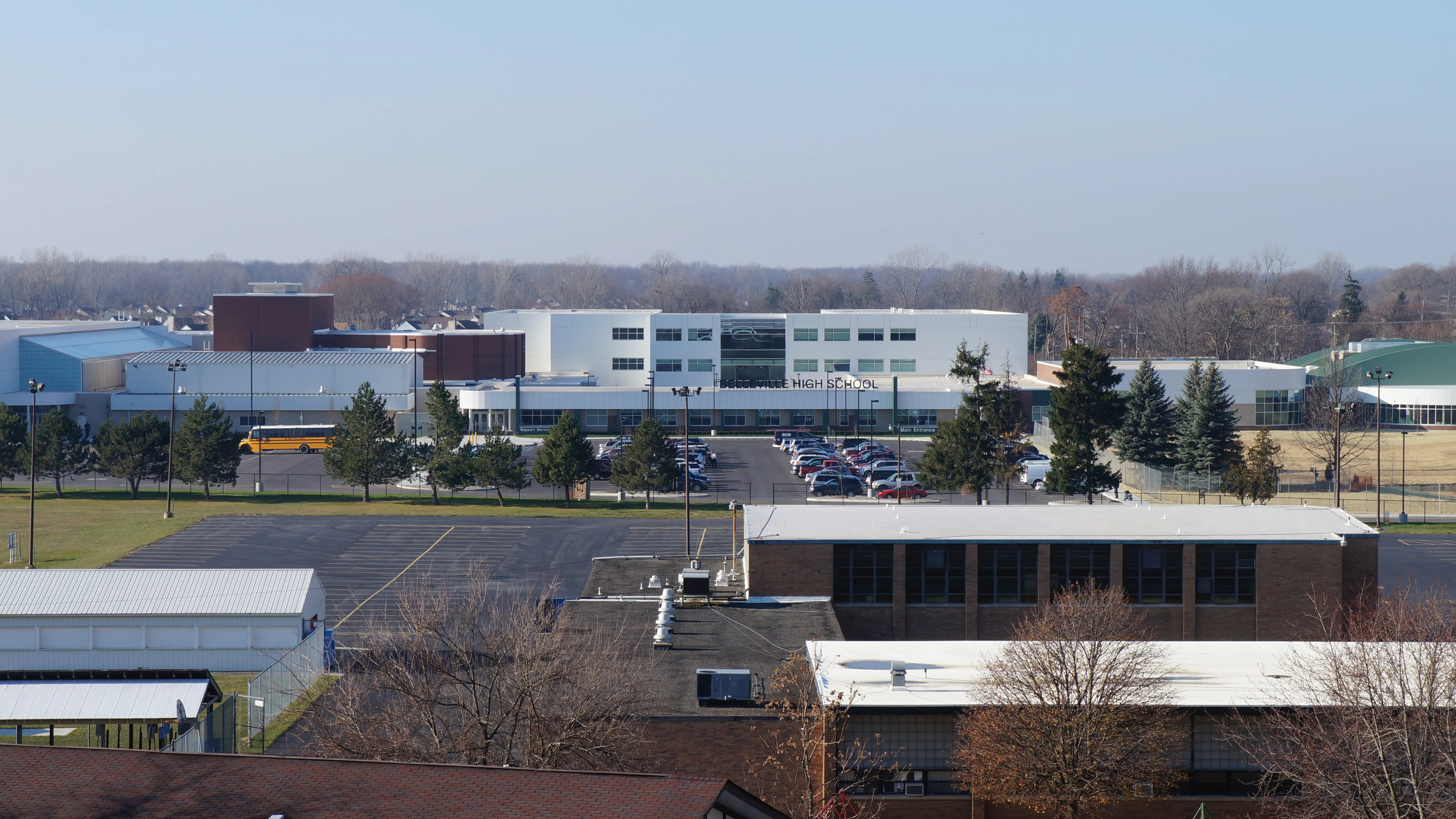 Scene Report ·
 Belleville to Metroplex
Detroit techno grew through high-school exchanges, late-night radio, basement studios, independent labels, and a city whose machine age offered material rather than a slogan.Read story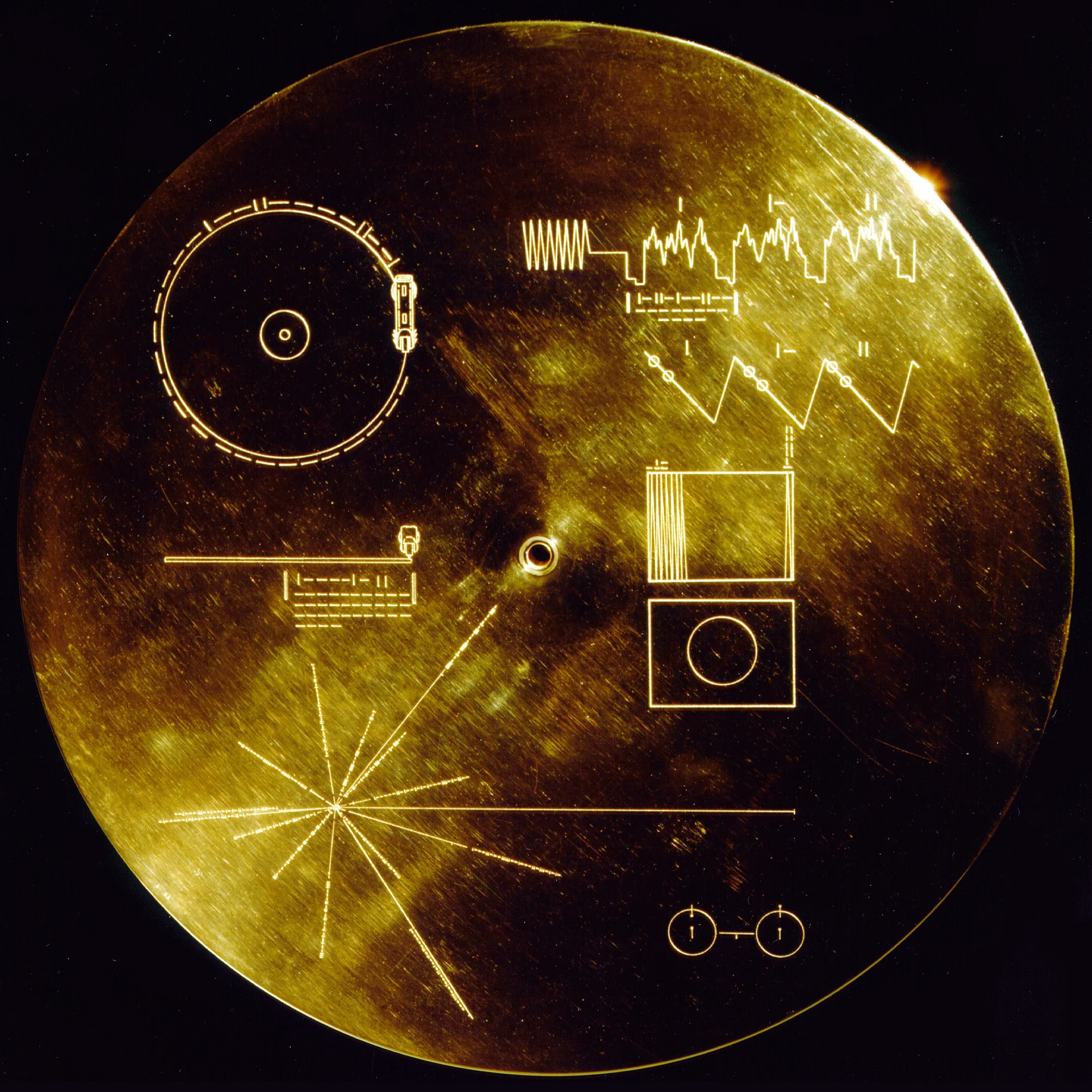 Cover Story ·
 How to Play a Record Without Language
The Voyager Golden Record cover does not advertise the music inside. Its etched diagrams try to explain playback, image decoding, location, and time without a shared alphabet.Read story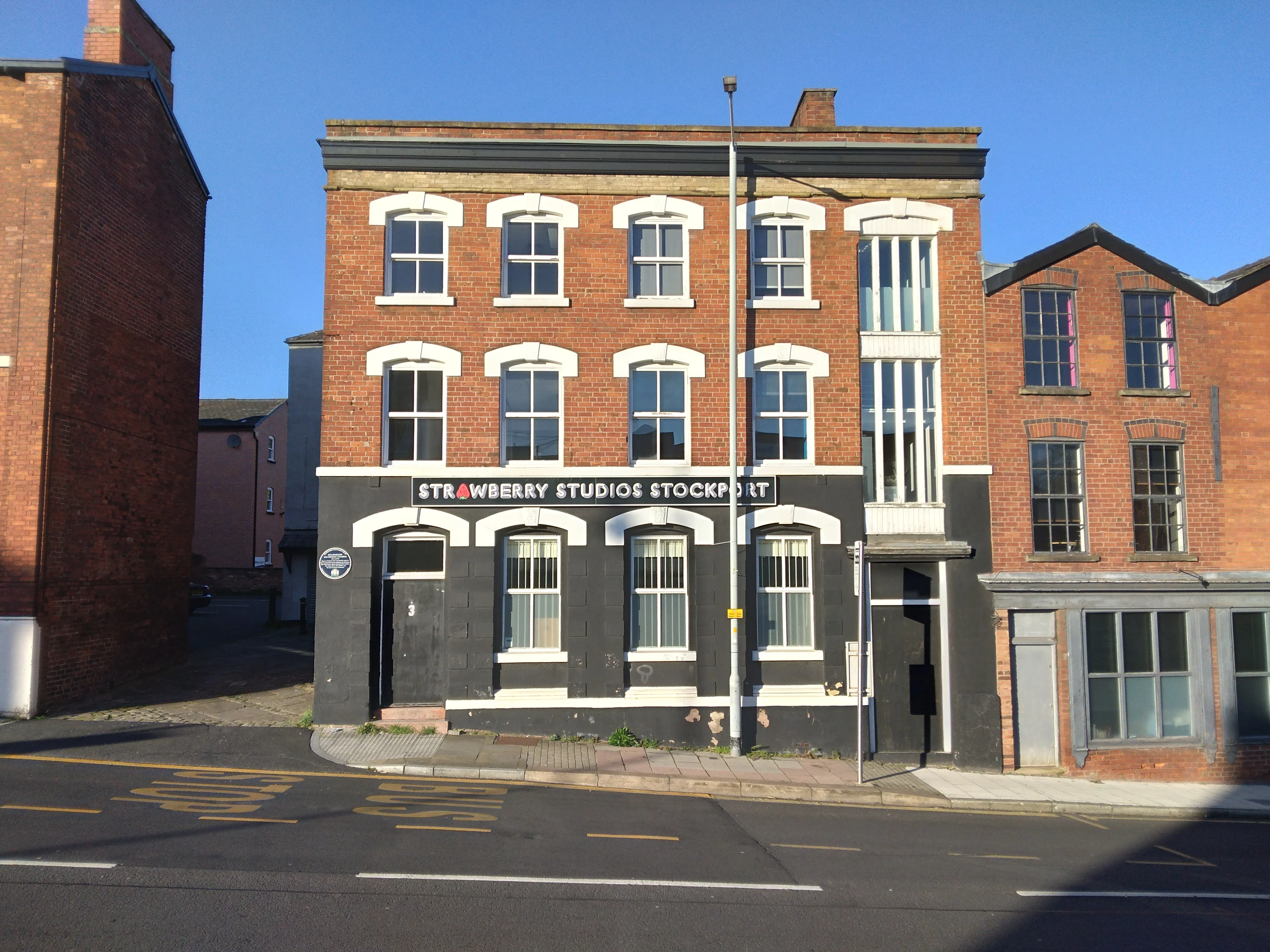 Scene Report ·
 Manchester, FAC 1 to FAC 51
Between a Hulme club night and a purpose-built dance floor, Factory became a network of posters, recordings, debts, arguments, and rooms spread across Greater Manchester.Read story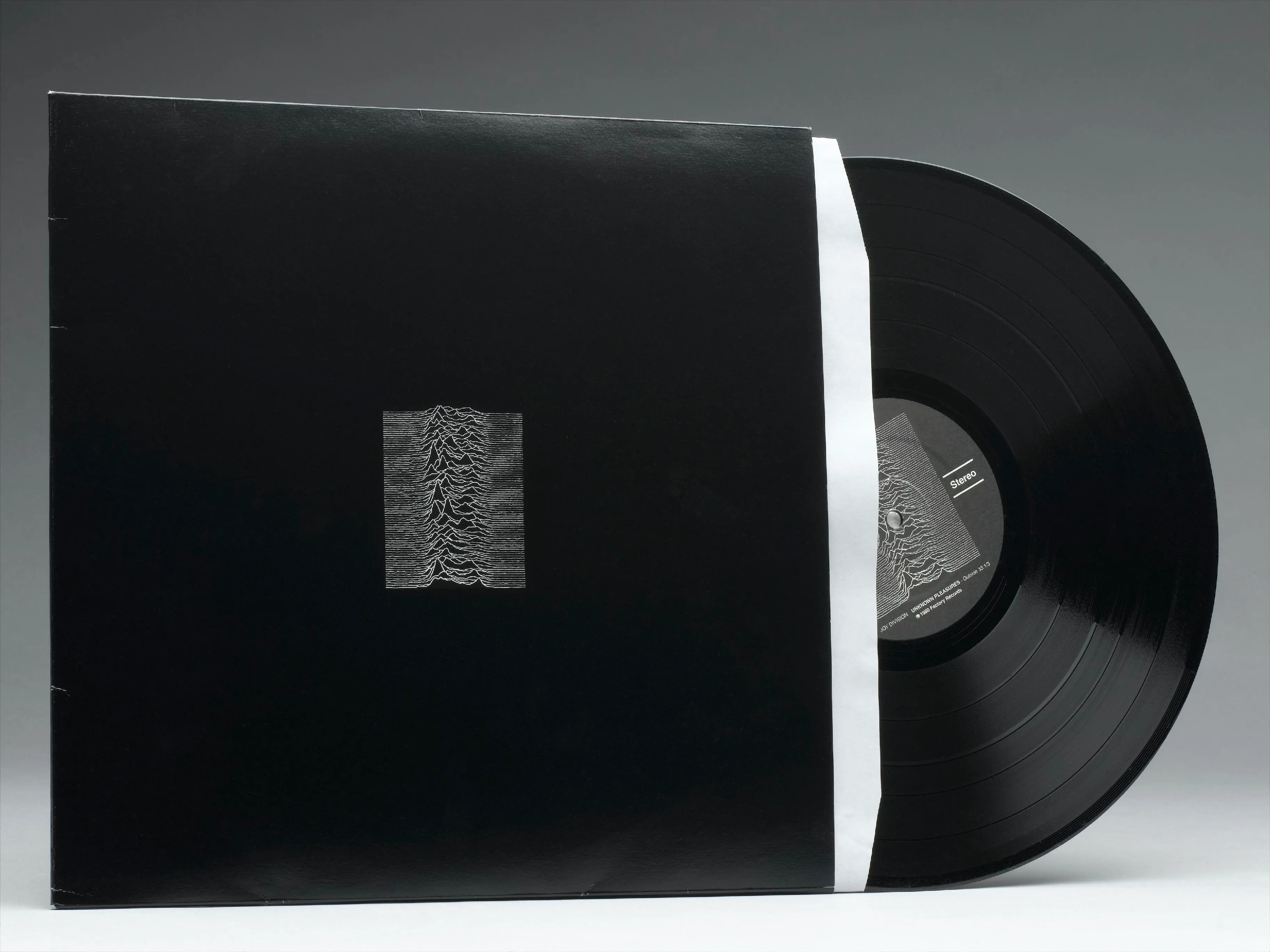 Cover Story ·
 One Hundred Pulses, No Band Name
Unknown Pleasures turned a scientific plot into a sleeve with almost no sales language. Its afterlife reveals what the object kept, what it erased, and why the pulse count is disputed.Read story
Showing 31–46 of 46