
The room did not look like an export industry. Reciprocal Recording occupied a narrow, triangular building in Seattle, and its practical attraction was easier to state than its historical importance: local bands could afford to work there. The studio had eight-track equipment, an engineer who understood loud guitars, and no reason to treat an unknown group as a problem to be civilized. Time still cost money. That pressure made decisions audible.
Jack Endino began working at Chris Hanzsek’s studio in July 1986. He arrived after teaching himself through cassette-to-cassette experiments and four-track recording. His account of Reciprocal emphasizes speed, performance, and the wish to avoid sterilizing a band, not a grand plan for a regional sound. 1 What later became packaged as “Seattle” began as dozens of practical answers to the same question: how can this group leave the room sounding recognizably like itself?
Eight tracks, fewer escape routes
An eight-track machine imposes choices that a modern session can postpone. A drum kit may consume several tracks before guitars, bass, and voice have been considered. Doubling every part is not free. An engineer can combine signals while recording, but the decision cannot always be separated later. Musicians must know the arrangement well enough to commit, and the engineer must decide what deserves space.
This did not automatically produce good records. Limitation is only useful when somebody can hear what the band is trying to do. Endino’s strength was less a secret microphone position than rapid translation. He could establish sounds, identify a weak arrangement, and keep a session moving before self-consciousness replaced momentum. The performances remained rough in the literal sense that fingers hit strings and cymbals spilled across microphones. They were not careless.
Green River recorded the six-song Dry as a Bone at Reciprocal in 1986. A later Sub Pop account stresses both the eight-track setting and the energy of the live performance. 2 Those facts belong together. The machine did not manufacture aggression. It required the musicians to deliver an arrangement whose central force was already present when they counted in.
A producer inside the scene
Endino was not an outside specialist flown in to explain professional standards. He played guitar in Skin Yard, knew the rooms and people around the bands, and understood the references they shared. That proximity shortened conversation. A group did not need to translate every noisy preference into the language of a distant record business.
It also prevented the studio from becoming a single-band shrine. Reciprocal served punk, garage rock, metal, and stranger hybrids. Soundgarden’s early Sub Pop material was recorded on eight-track equipment by Hanzsek and Endino in 1987. 3 The heavy, crawling shape of TAD demanded another balance. Tad Doyle first recorded solo material with Endino in January 1988, then returned with the band for God’s Balls. 4 L7, visiting from Los Angeles, cut three songs in one day and later came back. 5
These sessions shared personnel and constraints, but they did not emerge as interchangeable products. Soundgarden’s elastic meters and high vocal register differ sharply from Mudhoney’s collapsing garage attack. TAD used weight as physical comedy and threat. L7’s economy had its own hard edges. What they shared was permission: distorted music could be recorded as organized sound rather than repaired into respectability.
The cost appears in the arrangement
Hourly studio rates produce a particular kind of rehearsal. A band that cannot afford a week learns endings before arrival. Guitarists decide whether a second part is necessary. Singers discover which words survive amplification. When a take fails, everyone knows what the next attempt costs.
That economy can be heard on records without romanticizing poverty. Cheap sessions excluded possibilities as well as encouraging focus. Musicians with more money could test tempos, replace equipment, or wait for a voice to recover. Seattle’s independent records made their financial conditions part of their form. Short setup times and limited tracks favored prepared performances, decisive overdubs, and mixes that did not hide the room.
Nirvana’s Bleach was recorded across three Reciprocal sessions in December 1988 and January 1989. 6 Its frequently repeated low budget is not a complete explanation for its sound, but the schedule clarifies why arrangement and impact mattered more than polish. The record changes shape from song to song, yet its guitars, drums, and voice remain close enough to feel like bodies negotiating a small space.
Sub Pop made a frame
A studio can produce tapes; it cannot make a scene legible to distant listeners by itself. Sub Pop supplied a frame through singles, albums, graphic consistency, photographs, press language, and persistent mythmaking. The label recognized that a local network could be presented as a coherent event. That presentation was selective, commercially intelligent, and sometimes reductive.
The relationship between document and campaign is crucial. If the records had sounded anonymous, no amount of typography could have sustained the story. If the label had released them without a strong identity, many might have remained regional evidence. Reciprocal helped bands make compact documents; Sub Pop placed those documents in a sequence that listeners and journalists could follow.
The label’s famous aesthetic did not simply describe Seattle. It edited Seattle. It foregrounded long hair, damaged amplifiers, black-and-white photography, and music that could connect punk independence to heavy rock scale. Other local histories continued beside that frame. The Fastbacks’ bright, fast songs, the production work of Steve Fisk, and the city’s earlier and more experimental currents do not fit neatly inside the word that later dominated coverage.
A sound that was never one sound
“Grunge” became useful precisely because it was vague. It could describe guitar texture, clothing, a city, a market category, or a generational mood. Once the term traveled internationally, differences among bands became details inside a larger narrative. The early records resist that compression.
Kim Thayil has discussed Soundgarden’s first full-length album as a case in which the band had not achieved the weight it wanted in the original production. The later remix of Ultramega OK makes clear that “raw” is not an uncomplicated virtue; a rough recording can also fail to represent what musicians heard in their own performance. 7 Endino likewise rejects the idea that his purpose was merely to make things crude. 1
Reciprocal was more than an address where famous names passed through. It was a place of calibration. How much separation did a band need? Which noise was expressive, and which merely obscured the part? When should an engineer intervene? The answers changed with each group. A local sound emerged not from one preset but from repeated acts of judgment under similar conditions.
What the photographs cannot show
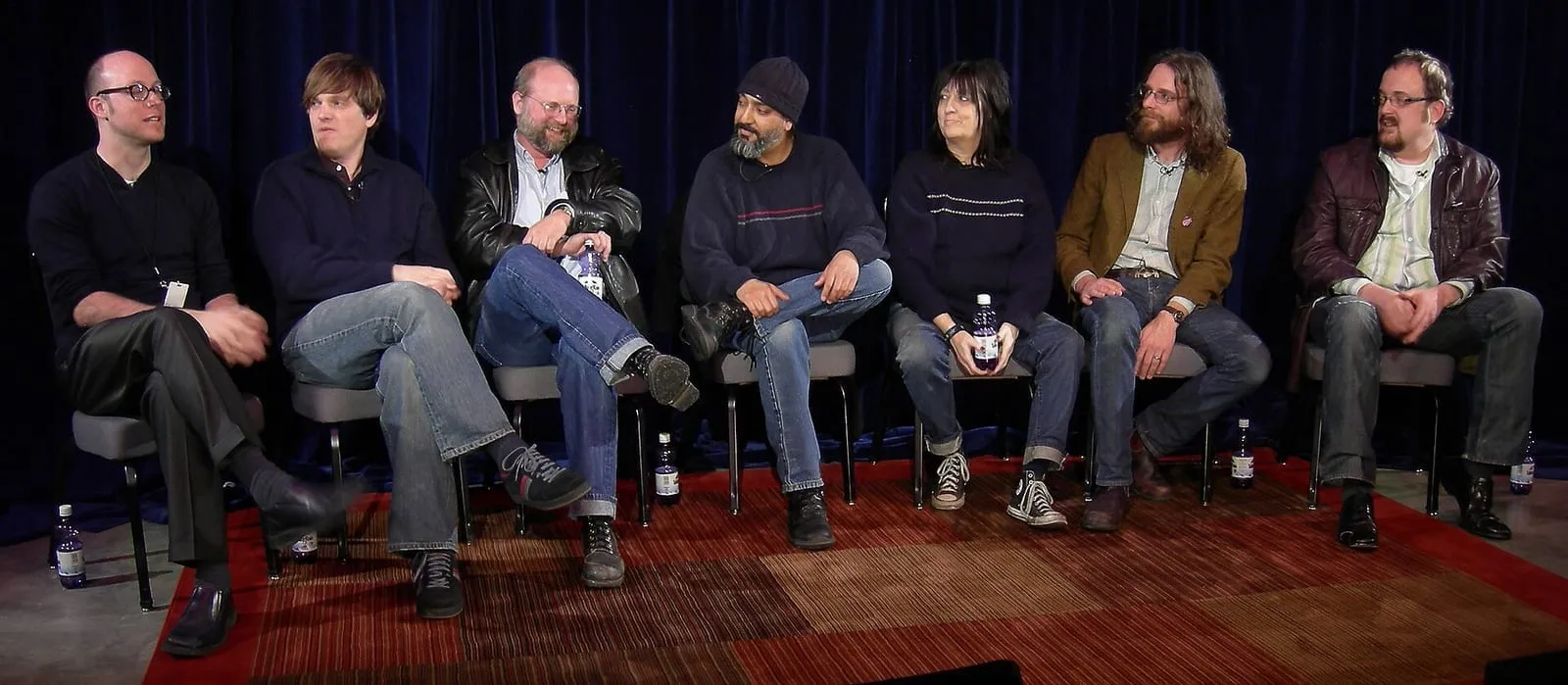
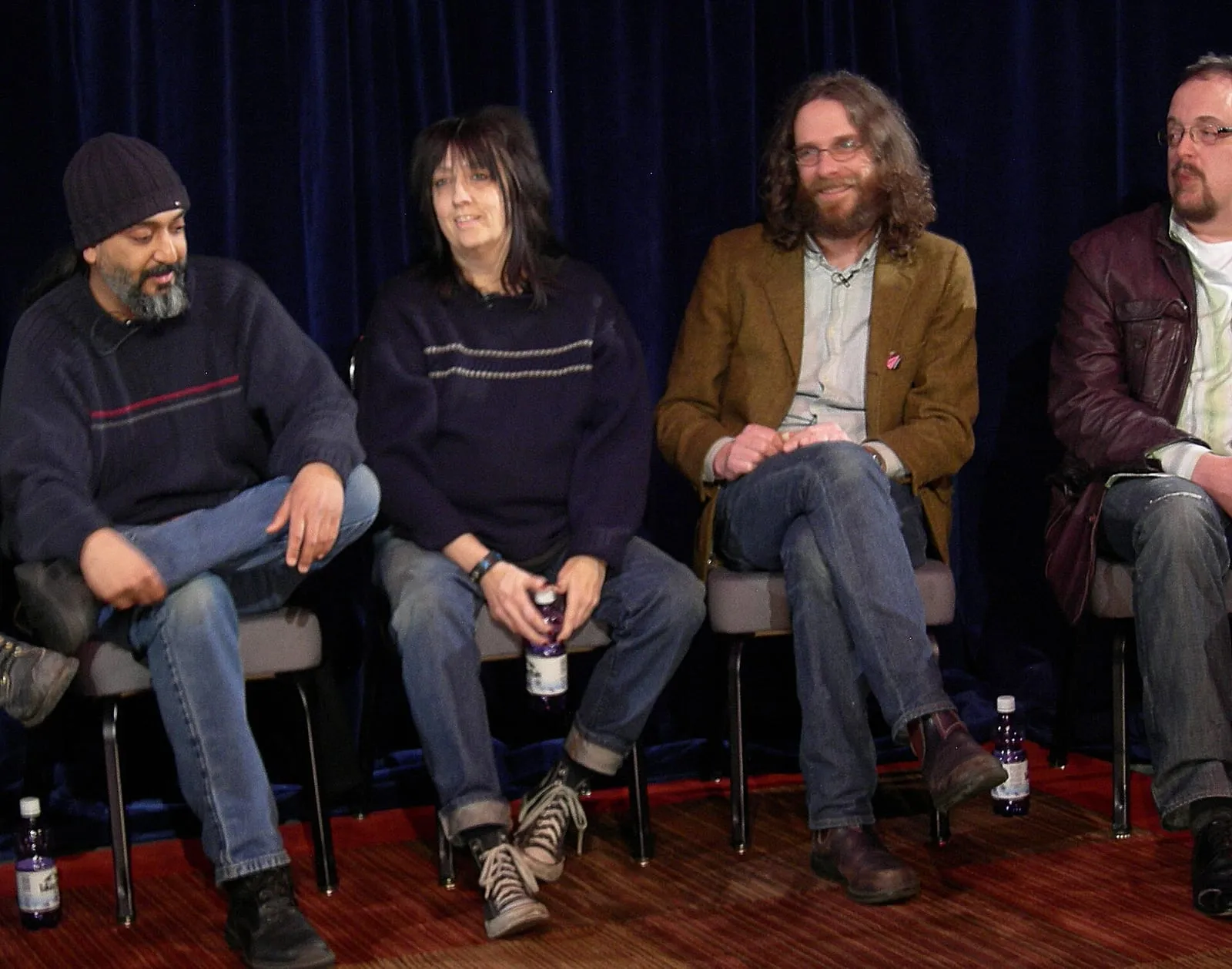
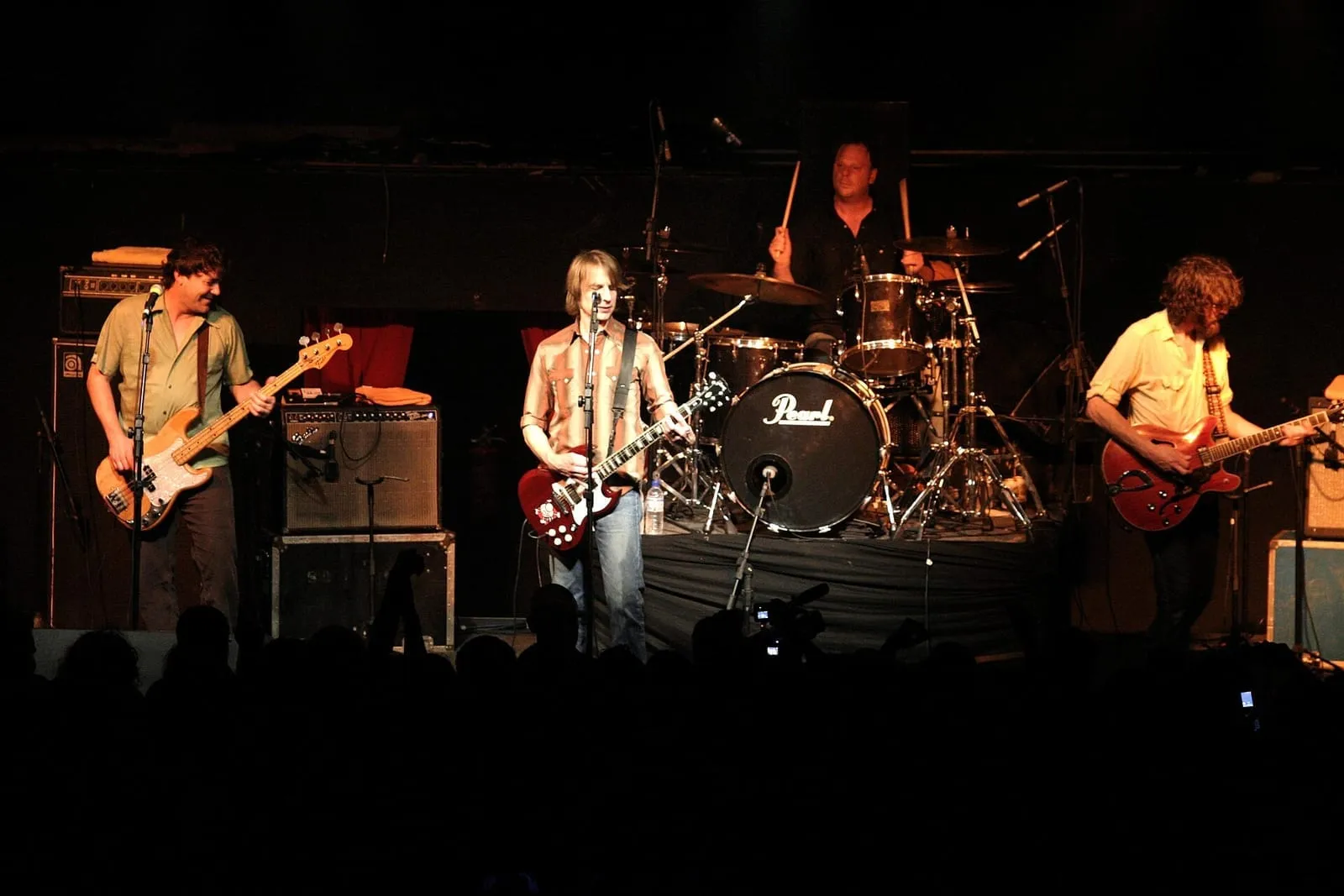
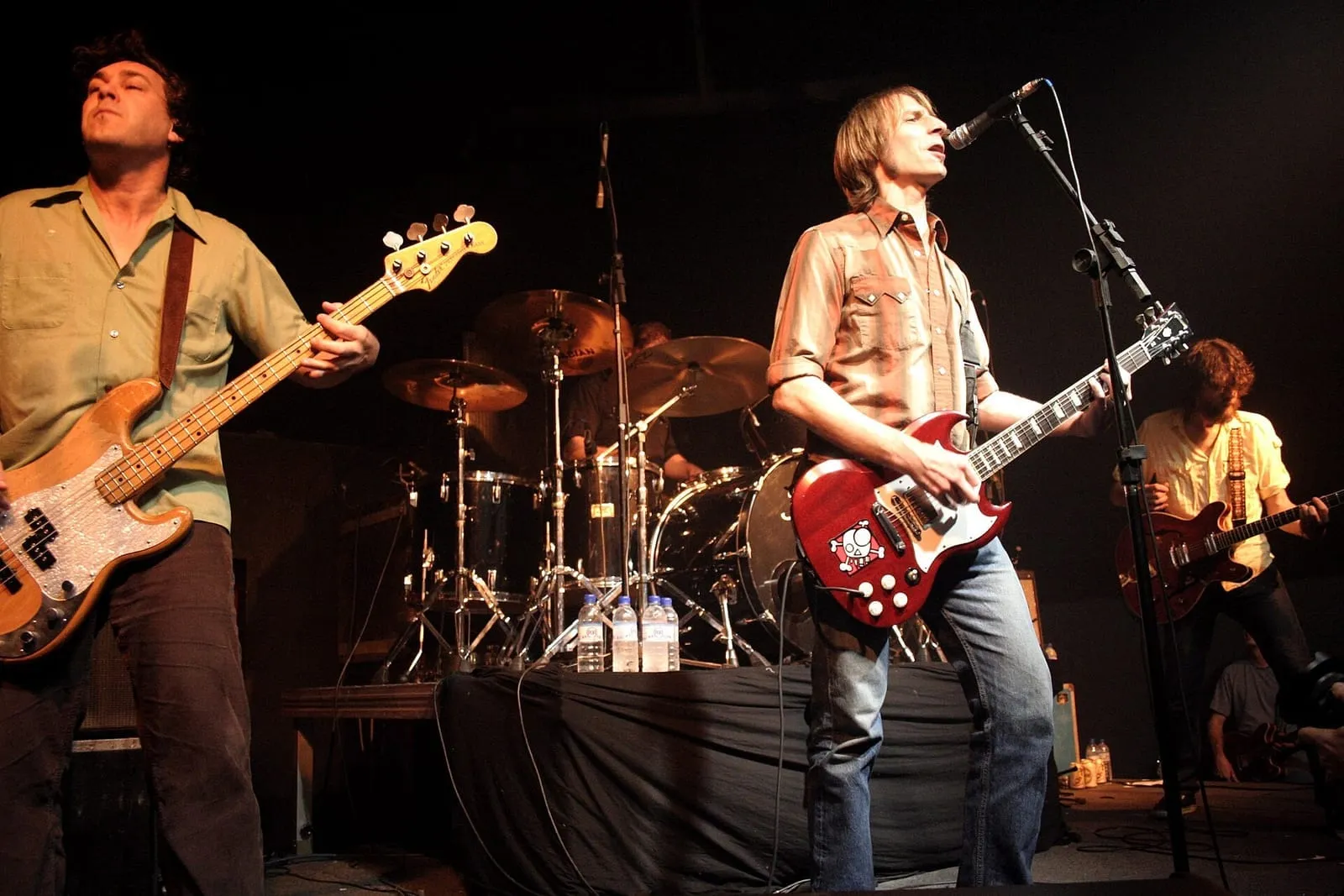
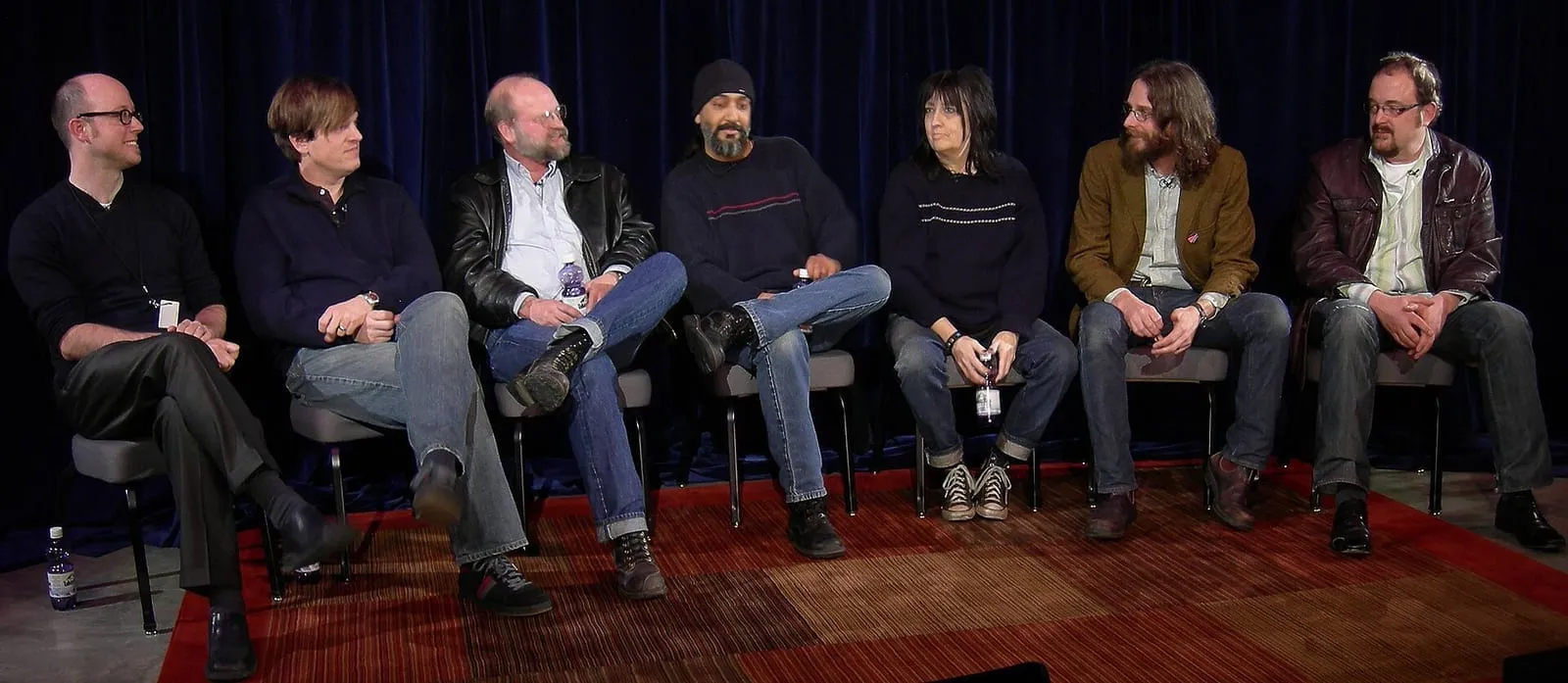
Later photographs show established musicians on larger stages or seated at heritage panels. They document survival and reflection, not the cramped uncertainty of the first sessions. There is a temptation to read backward from those images and imagine every early choice pointing toward worldwide success.
Nothing in an inexpensive day at Reciprocal guaranteed that result. The network worked because people performed different jobs before the market confirmed their value. Bands shared bills and information. Engineers learned by recording one another. A small label turned local artifacts into releases. Designers and photographers supplied a visual grammar. Listeners treated an imperfect single as news.
The room’s hourly charge joined those roles to a deadline. It forced a band to decide what kind of band it was, at least for the duration of a reel. This small mechanism explains more than climate or clothing. A record could leave the city because, inside one small building, somebody had captured the part that should not be cleaned away.
The mix as an argument
Fast recording did not mean that mixing was neutral. A mix tells the listener which conflict matters. Push the vocal forward and the song becomes a statement with a band behind it. Let cymbals and guitar occupy the same crowded band of frequencies and the record feels closer to a rehearsal room. Reduce the low end too far and weight becomes scratch; add too much and the rhythmic outline disappears.
Reciprocal’s records repeatedly choose intelligibility without pretending that the instruments were isolated. Spill between microphones becomes evidence of simultaneous performance. Guitar distortion occupies space that another production might reserve for sheen. Voices sound embedded in the group rather than mounted above it. These are aesthetic decisions made through ordinary technical work.
“Lo-fi” is an awkward summary because fidelity is always fidelity to something. A clean recording can be unfaithful to a band’s physical balance; a modest recording can preserve the force of its transitions. Endino’s task was to decide quickly which version of accuracy mattered. 1 The most durable sessions sound neither accidentally murky nor clinically separated. They make the limitations feel proportionate to the music.
A network small enough to answer back
Local proximity created feedback that a national campaign could not. Musicians heard one another’s new songs at clubs, saw how an audience responded, and returned to rehearsals with specific information. A producer could encounter a band live before placing microphones around it. A label could release a single, watch it circulate, and decide whether the next small pressing made sense.
That loop was not democratic or complete. Attention clustered around particular people and styles, while other Seattle musicians received less documentation. Still, the scale allowed aesthetic arguments to continue across roles. A graphic designer’s severe image could change how a record was read. A photographer could make a basement-scale group appear monumental. A fanzine description could supply language that musicians then accepted, mocked, or rejected.
When the scene became an international story, that loop lengthened. Decisions began to answer distant expectations: what radio wanted, what a major label believed Seattle meant, what an overseas journalist could recognize in a photograph. The early Reciprocal period retains its force because the first audience was close enough to disagree. The recordings were not messages from a finished movement. They were working documents passed among people still deciding what the movement contained.
After the adjective
Once major-label attention arrived, budgets, studios, and expectations expanded. Seattle was no longer only a place where musicians knew one another; it was a promise attached to new acts. The very qualities developed under pressure could now be reproduced as style. Distortion, loose clothing, and downcast imagery became portable signs.
The early Reciprocal records remain harder to standardize. Their similarities come from shared labor conditions, overlapping friendships, and an engineer’s quick ear. Their differences come from bands that entered with distinct internal rules. Mudhoney did not sound like Soundgarden, and neither sounded like TAD, because the studio’s success was not uniformity. It was recognition.
A scene becomes audible when infrastructure is close enough to the musicians to respond: an affordable room, a patient engineer, a label willing to issue the result, and an audience prepared to hear local variation as consequential. Seattle’s later mythology enlarged those facts until they nearly disappeared. Inside Reciprocal, the scale remained human: eight tracks, a clock, a band, and a decision that could not be deferred.