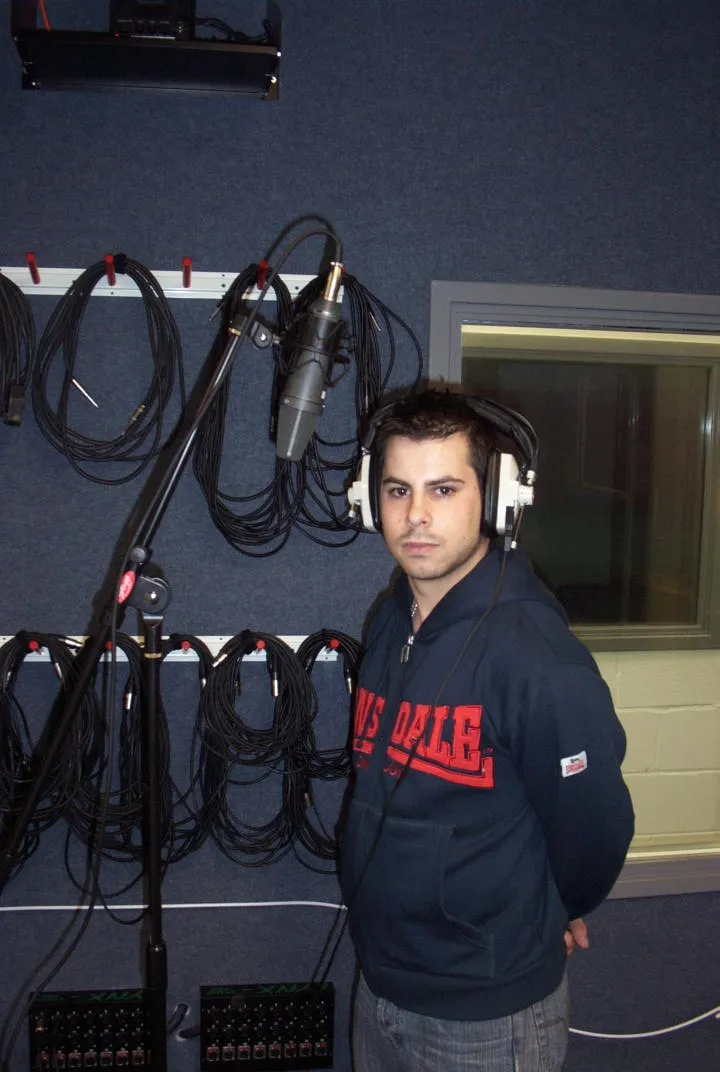


The singer finishes before the actor begins. In a recording room, the words acquire breath, pitch, grain, and pace. Later, on a set that may be miles away and weeks later, another performer learns those breaths closely enough to make them appear to come from the body in front of the camera. Playback singing is often reduced to that substitution: one person sings and another moves their lips. Hindi cinema built something much more intricate from the separation. The recorded voice became a plan that actors, choreographers, cinematographers, costume departments, and editors could interpret.
The completed sequence asks the audience to accept two credited artists at once, not to mistake it for a disguised concert or technical trick. The singer can be a celebrity with a recognizable sound; the actor can be a star whose gestures alter how that sound is understood. The join is visible if one looks for it, yet the pleasure lies in watching the parts cooperate.
Before separation
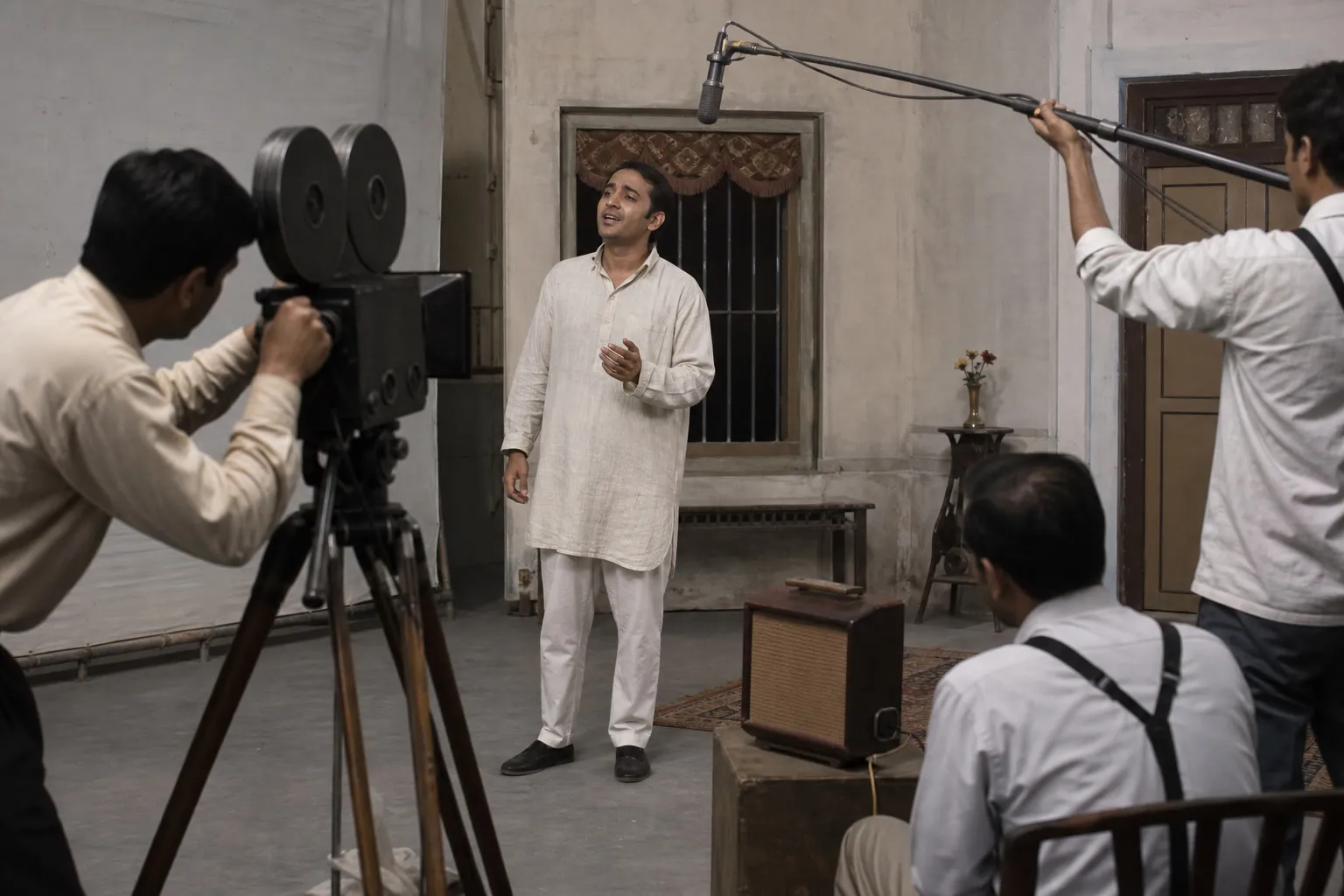
The first Indian talkies did not offer this freedom. Alam Ara, released in 1931, used synchronous sound. Film Heritage Foundation describes microphones hidden around the actors and musicians concealed nearby while image and sound were captured together. The studio stood close enough to railway tracks that shooting moved into the night to avoid passing trains. 1 A song was an event the camera had to witness while it was being heard.
That arrangement favored performers who could act and sing, limited camera movement, and made unwanted noise a production problem. Musicians had to remain within reach of the microphones even when the fiction provided no place for them. The early sequences could be powerful, but every musical and visual decision occupied the same moment. A flawed take meant doing the whole event again.
Playback changed the order of work. New Theatres in Calcutta is widely associated with the decisive 1935 experiments: Nitin Bose’s Bengali Bhagya Chakra and its Hindi version, Dhoop Chhaon, with music by R. C. Boral and Pankaj Mullick. Accounts differ in some details of who proposed what first. The song could now be recorded in advance and replayed while the scene was filmed. 2
That sequence of operations loosened several constraints at once. A trained singer no longer needed to satisfy the camera, and a screen performer no longer had to deliver a record-ready vocal on set. Recording could be repeated for musical reasons. Shooting could be repeated for visual ones. The microphone and camera stopped bargaining over the same patch of floor.
A performance made in rooms
The playback session is not merely the delivery of clean notes. A film song has a dramatic address: flirtation, lament, defiance, prayer, private thought, or public spectacle. Composer, lyricist, arranger, recording staff, and singer decide how closely the voice will approach speech, where it will lean into rhythm, and what kind of person it seems to reveal. A catch in the line can suggest hesitation. A precisely clipped consonant can make the same line teasing or severe.
The singer had to imagine a body and camera situation that might not yet exist. No live gesture could cue the phrasing in the studio; the recording had to carry enough character for a later performance to answer.
The screen actor receives those choices as fixed sound but not as fixed meaning. Lip synchronization requires more than opening the mouth on vowels. Breath points, attacks, and releases have to register across the face. The actor can meet a high note by lifting the body, resist it with stillness, or turn away and let the voice express what the character will not show directly. Playback supplies timing; acting supplies situation.
Because the soundtrack was fixed before shooting, a performer could rehearse gesture and breath against the same take until synchronization became characterization rather than mere timing.
The apparent singularity of a screen voice can therefore be the product of careful division. Lata Mangeshkar’s rise after the 1940s made the playback singer publicly legible as a star in her own right. Listeners recognized her timbre across changing films and actresses. The delayed crediting of the singer on records, and the demand to know who sang “Aayega Aanewala” in Mahal, show audiences refusing to treat the voice as anonymous studio labor. 5 The face did not erase the singer; it created a second route into the performance.
Nor did a famous playback voice impose exactly the same character on every image. An actor’s posture, comic timing, dance training, and established screen persona affected what listeners heard. The voice arrived first in production, but audiences encountered it through a particular body, costume, setting, and story.
The song becomes visible
Hindi film workers use “picturization” for the process of giving a recorded song its screen form. The plain verb “film” does not quite cover the work. A song may leave the story’s ordinary location, compress several days, change costumes between verses, or move from private imagination to a crowd. It can stage an argument that dialogue could not sustain or allow a character to address someone who is absent.
The pre-recorded track provides a durable timeline for that invention. Choreography can answer an instrumental accent; a cut can land on a drum fill; the camera can travel through a refrain and settle for a close-up at the vocal turn. Editors can join takes from different places because the soundtrack carries continuity across them. The song does not simply accompany the montage. It is the measuring device by which the montage is built.
Research on dancer-actress Vyjayanthimala complicates the idea that images are added after the music and therefore remain secondary. Davesh Soneji argues for “dance musicalization”: a performer’s existing movement vocabulary and bodily style can shape the music conceived for her. 3 Production chronology runs from recording to shooting, but creative influence can run in both directions. A composer and singer may already be imagining the actor who will carry the phrase.
Dance is not an ornamental layer placed over a completed song. Footwork can reveal an internal subdivision that the arrangement only implies. A shoulder or glance can redirect a lyric toward a second character. Group choreography can turn a private voice into social display. The playback singer performs for an imagined body; the dancer later shows listeners one way that body might hear the music.
Whose voice is it?
The system has never distributed power evenly. Voices are cast according to ideas about age, gender, class, region, respectability, and desirability. A narrow ideal can make many screen characters sound strangely related even when the actresses look and act differently. Scholarly work on playback stresses that the clean seam between body and voice can carry social judgments about which voice is allowed to belong to which body. 4
Yet the seam also permits play. A singer can move among comic, romantic, cabaret, folk, and classical inflections without appearing on screen. An actor can borrow vocal abilities no plausible claim of documentary realism could explain. Duets join bodies that may have been recorded separately; dream songs let a character sound larger than ordinary life. Hindi cinema does not ask viewers to discover a fraud. Credits, radio, records, interviews, and live concerts make the singer’s separate identity available. The convention asks for a willing double awareness.
That awareness changes from song to song. Sometimes the singer’s identity dominates: listeners follow a recording because of the voice regardless of the film. Sometimes a star’s screen ownership is so strong that the song feels inseparable from a gesture or costume. Usually both memories persist. The singer may reproduce the song in concert, while the film clip continues to circulate as the definitive visual performance.
The record leaves the film
Separation also helped the film song travel. Once produced as a recording rather than only as sound attached to a strip of film, it could move through gramophone releases, radio broadcasts, cassettes, television programs, compact discs, and digital platforms. Playback did not alone create that economy, but it made the song a more independent object. Histories of Hindi film music note how professional studios, orchestras, and record circulation grew around this split production. 5
The independent life can reverse the expected order for an audience. A listener may know the melody for years before seeing its picturization. The voice then arrives before the face not only on the production schedule but in personal memory. Watching the film supplies a body to a song that already has associations: a family radio, a wedding, a bus journey, another singer’s cover.
This mobility also separates the song from the film’s box-office fate. A feature can leave cinemas while one recording stays in broadcast rotation, enters domestic ritual, or becomes material for later performers. The surviving song carries credits and labor from the film, but listeners need not reconstruct its plot to use it. Conversely, a picturization can return decades later through television or online video and change the remembered emphasis: a vocal phrase once heard mainly as melody becomes attached to an actor’s glance, a landscape, or a choreographed step. Sound and image keep meeting again under conditions their makers did not control.
The visual work was not disposable. The division was productive because the recording was stable enough to travel alone, while the film offered a durable interpretation to which audiences could return. Cover versions, stage tributes, and remixes add further bodies without cancelling the first pair.
Contemporary song sequences sometimes loosen lip-sync or abandon it, allowing recorded music to run across action as montage, memory, or promotion. Academic accounts describe that shift as a change within the song-sequence tradition rather than its simple end. 6 The old division remains available whenever a film wants a voice to exceed ordinary speech, even if the mouth is no longer shown forming every word.
A shared authorship
Calling playback “someone else singing for the actor” states the mechanism and misses the form. The singer is not hidden behind a mistaken claim that the star made the sound. The actor is not a decorative mask placed over a complete vocal object. Each performs under different conditions, and the completed sequence depends on the distance between those conditions.
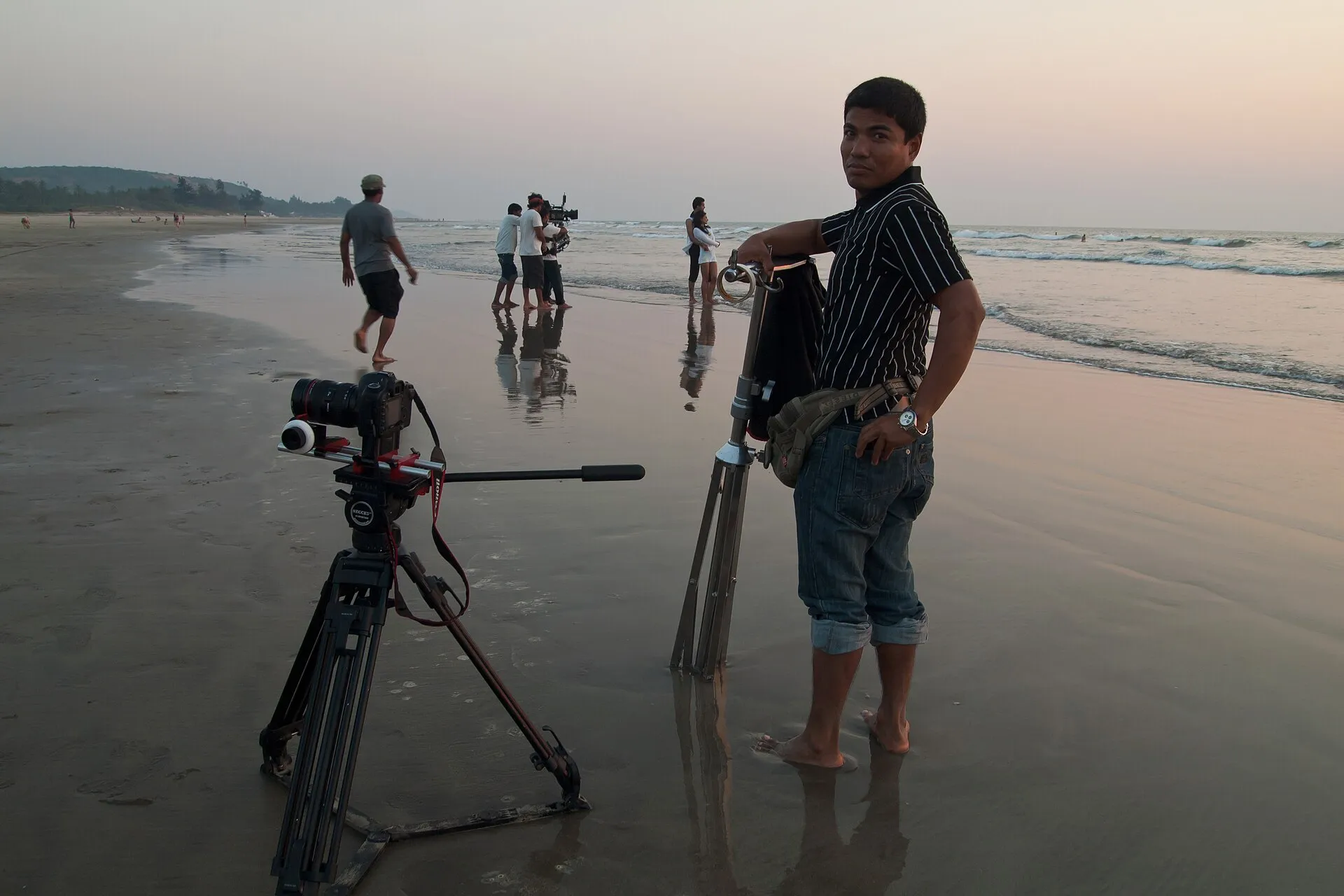
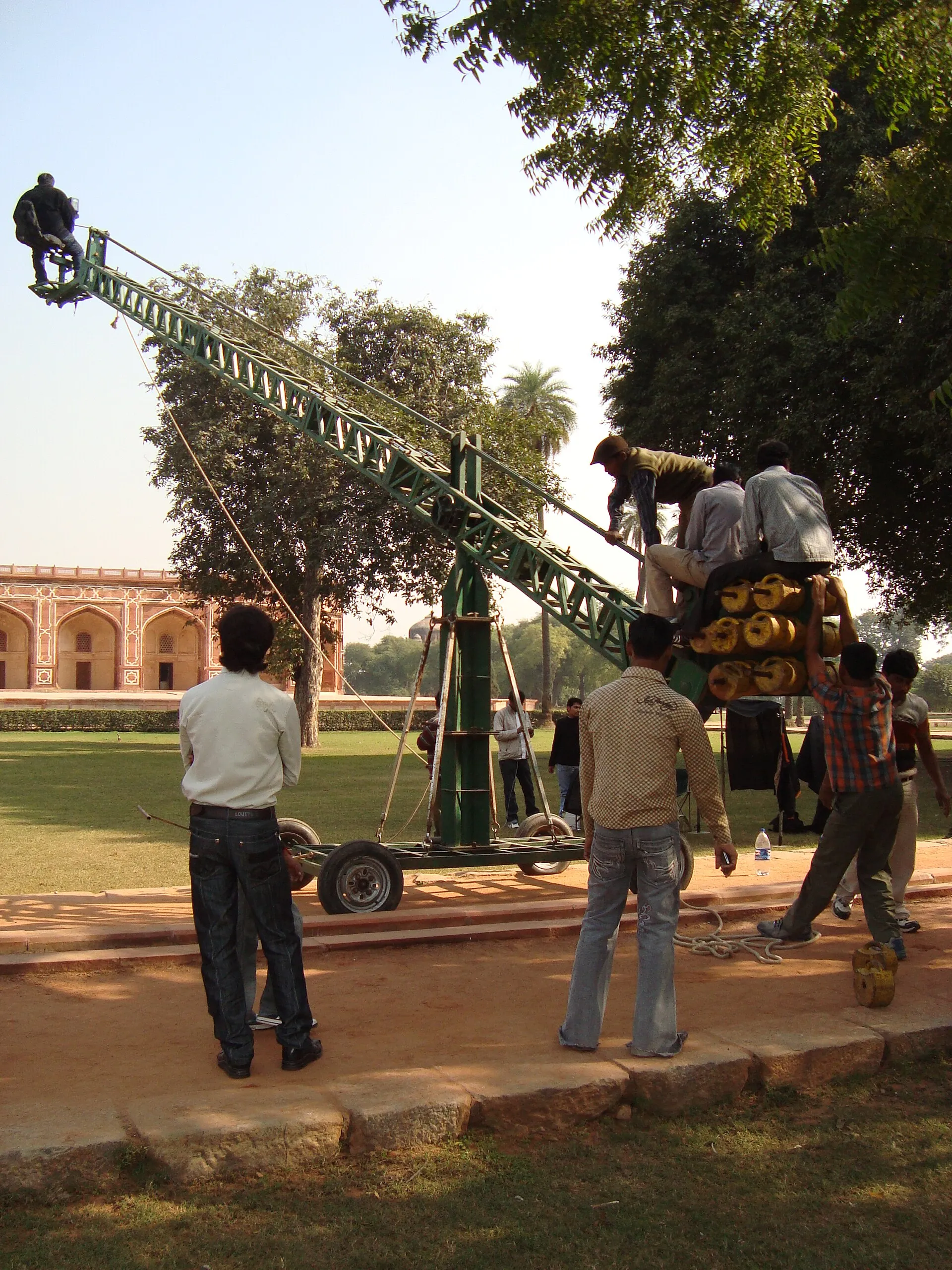
In the studio, the singer can work at microphone scale, where a small intake of breath survives. On location, the actor can cross a landscape, dance among dozens of people, or hold still for a close-up. The camera selects and enlarges gestures. The editor makes separate takes share one pulse. The audience completes the join while retaining knowledge of the parts.
Playback lasts through a durable agreement that a cinematic voice can have more than one author. The face gives the recording a place to happen; the recording gives the face an interior sound. Between them, Hindi cinema made the film song spacious enough to live on screen and away from it.